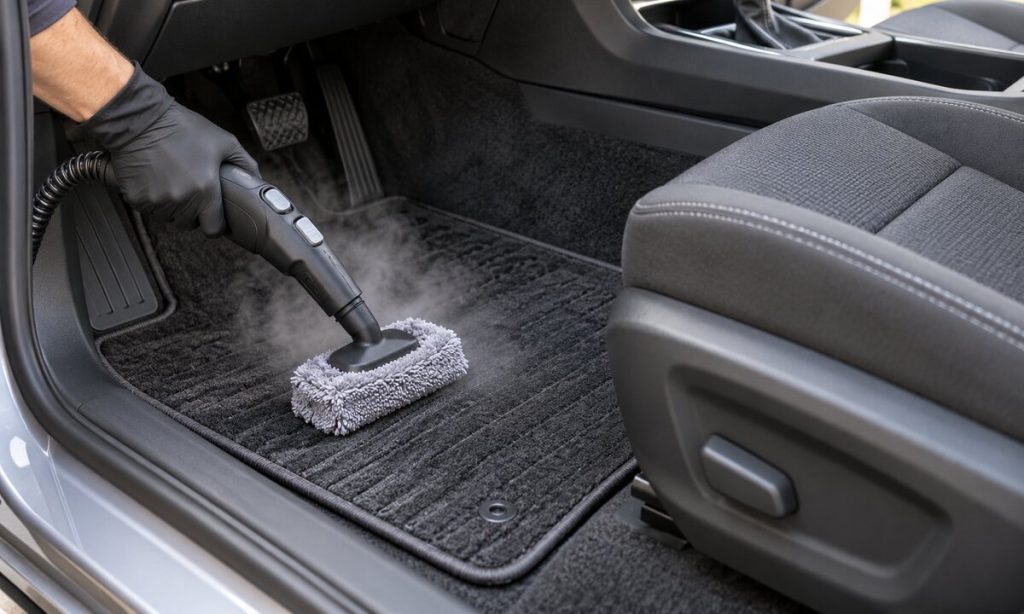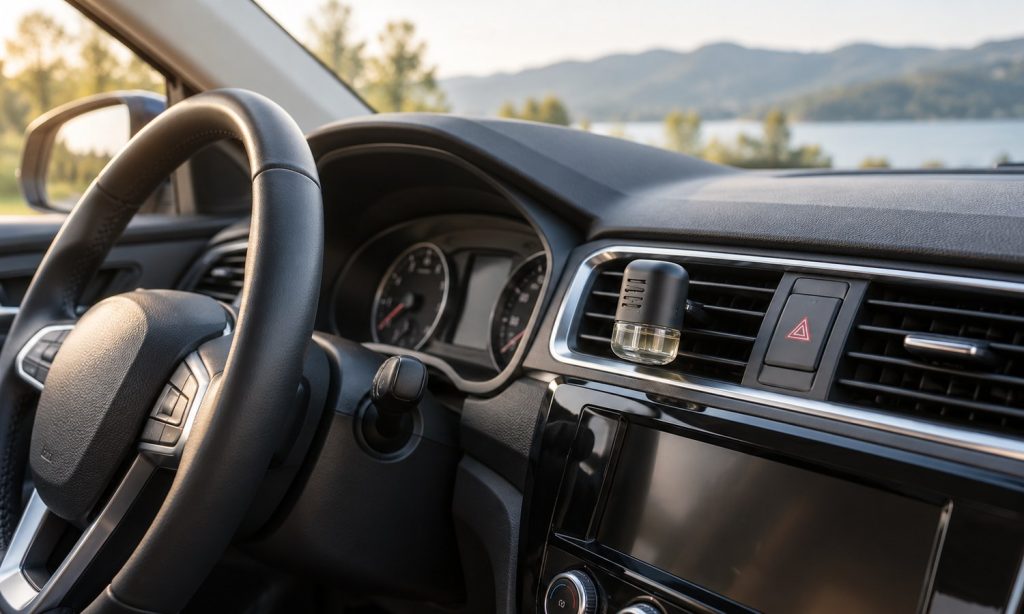

Choosing the best rodent repellent for car engines requires more than comparing strong scents and ultrasonic frequencies. A product can be identifiable and marketed for vehicles without being proven to prevent wiring damage in your parking conditions. This guide compares two vehicle sprays and one identifiable electrical device, with their limitations made clear. None replaces removing nearby food and nesting opportunities, inspecting the vehicle, or addressing an established infestation. Start with evidence of activity and the actual product label rather than a promise of complete protection. If you find damaged wiring, nesting material or contamination, obtain the appropriate inspection and cleanup before treating the vehicle as ready to drive. The comparison helps narrow a purchase; it does not certify effectiveness, pet safety or compatibility with every engine compartment.
Quick Picks
| Product | Best For | Key Advantage | Purchase Link | Jump to Review |
|---|---|---|---|---|
| Mighty Mint Vehicle Spray, 16 oz | Comparing a labeled vehicle spray | Vehicle-specific maker directions available | View on Amazon | Jump to Review |
| Loraffe 12V/24V Under-Hood Device, Two Pack | Evaluating an electrical deterrent with reservations | Identifiable battery-powered under-hood design | View on Amazon | Jump to Review |
| BugMD Vehicle Rodent Spray, 16 fl oz | Comparing a second vehicle-labeled spray | Maker specifically addresses cooled engine bays | View on Amazon | Jump to Review |
Three original product designs remain in this comparison after identity and intended-use research. Additional authenticated search results mainly supplied pack or container-size variations and products without adequate application information, rather than seven independently suitable alternatives. Four original generic devices or scent pucks are withheld because the available material did not establish sufficiently clear product identity and engine-compartment installation conditions. That is an evidence limitation, not proof that every withheld product is defective. The Loraffe device is included as a clearly identified design with important effectiveness and installation reservations, not as a demonstrated solution. No independent comparative vehicle test or guaranteed damage-prevention result was established.
1. Mighty Mint Vehicle Spray, 16 oz
What We Like
- Named vehicle spray identity
- Ready-to-use spray bottle
- Published engine-compartment use directions
- No electrical installation required
What We Don’t Like
- Regular reapplication needed
- No guaranteed damage prevention
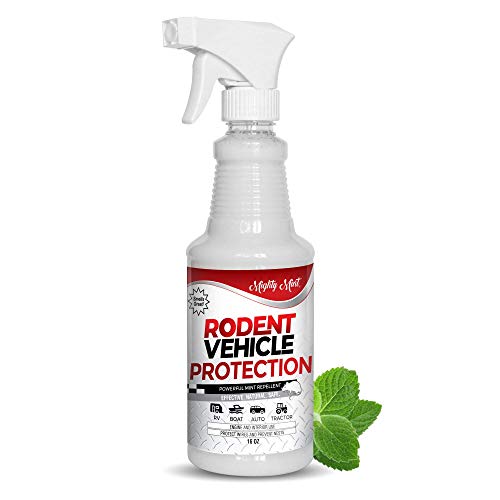
Mighty Mint Vehicle Spray is an identifiable peppermint-based vehicle product supplied in a sixteen-ounce spray bottle. Its maker publishes engine-compartment and interior application directions, making it easier to assess than an unidentified bottle or a household product with no vehicle instructions. The relevant distinction is the vehicle formulation and its current label, not the presence of a mint scent alone. Confirm the exact container and directions before use, because another Mighty Mint product or refill listing should not automatically be treated as interchangeable.
The manufacturer positions this spray as a preventive deterrent and calls for repeated application. Those directions do not establish an independently measured period of protection or a guaranteed reduction in wiring damage. Do not infer that a pleasant smell means a surface remains protected, or that a fading smell proves all effect has ended. Follow the actual supplied label and vehicle restrictions, including material compatibility. Keep application separate from inspection and contamination cleanup; a repellent is not a disinfectant, a repair product or a substitute for removing an established nest safely.
This format avoids adding a powered accessory to the parked vehicle, but it still requires a realistic maintenance plan. Essential-oil and plant-based wording should not be expanded into universal safety for children, animals or every vehicle material. Avoid unsupported claims that all upholstery, painted finishes and electrical parts tolerate the product. Resolve any label ambiguity with the manufacturer before application, and obtain qualified assistance around damaged wiring or inaccessible components. Continue monitoring for fresh activity and address the surrounding parking area instead of repeatedly spraying while evidence of an infestation grows.
My Recommendation
Consider this exact vehicle spray if its supplied label permits the intended location and you can maintain the required reapplication and inspection routine. Its named identity and published directions help comparison. Choose a professional pest-management response when activity persists; the bottle is not proof that wiring damage will be prevented.
2. Loraffe 12V/24V Under-Hood Device, Two Pack
What We Like
- Recognizable Loraffe device family
- Vehicle-battery power format
- Ultrasound and flashing-light design
- Two-device selected package
What We Don’t Like
- Effectiveness remains uncertain
- Electrical and mounting checks required
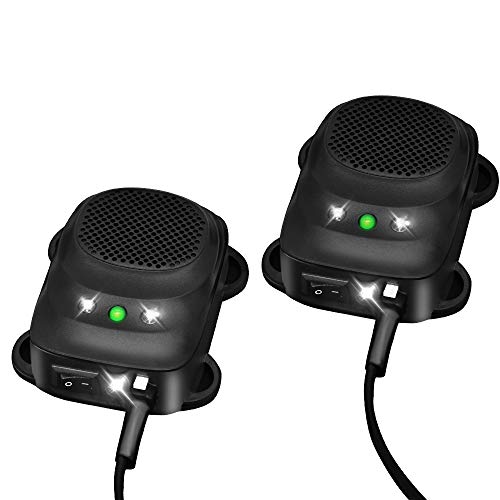
The selected Loraffe offer is a two-device package advertised for twelve- or twenty-four-volt vehicle systems, using ultrasound and flashing lights. The maker also publishes an under-hood ZN-508 family page. Check the exact model, harness and supplied instructions, because a family page does not prove every package has identical connectors, voltage behavior or installation requirements. This option remains in the comparison to explain a distinct identifiable device category, rather than to rank it above sprays or claim that ultrasonic sound reliably stops rodent damage.
UC IPM cautions that repeated frightening sounds and odor repellents do not provide a durable solution to rat problems in the home-and-garden settings it discusses. That guidance is a reason for caution, not a vehicle-specific test of this exact Loraffe package. No independent engine-bay damage-prevention trial was established here. A flashing indicator or audible component also does not show that rodents have been excluded. Monitor for activity and use a broader prevention plan instead of interpreting an operating device as confirmation that the vehicle is protected.
Before purchase, verify the actual electrical system, accessible battery location and permitted mounting area against the exact instructions and vehicle guidance. Do not transfer a cutoff voltage, connector recommendation or restart delay from a similar family model without confirmation. A low-voltage protection claim does not guarantee adequate starting reserve or eliminate parasitic-load concerns. Have installation suitability checked where necessary, keeping the device and wiring clear of incompatible heat, moving parts and service access. This comparison provides no generic battery-wiring procedure. If safe mounting or the correct electrical instructions cannot be confirmed, do not install it.
My Recommendation
Treat this as a conditional device comparison, not a proven first-line fix. Consider it only after confirming the exact model, installation requirements and electrical suitability, while maintaining inspection and environmental prevention. Choose another approach if safe mounting is unclear or if you need demonstrated control of an active infestation.
3. BugMD Vehicle Rodent Spray, 16 fl oz

What We Like
- Vehicle-specific product listing
- Sixteen-fluid-ounce selected bottle
- Maker specifies cooled-engine application
- Published reapplication guidance
What We Don’t Like
- Formula variants need label checking
- Protection claims lack independent confirmation
The selected BugMD offer identifies a sixteen-fluid-ounce rodent spray intended for vehicle engines. The maker’s Rodent Relief Vehicles page discusses engine-bay application and explicitly says to let the engine cool first. This is a more useful purchase detail than an unqualified claim of immediate protection. Check that the delivered bottle and complete label match the intended vehicle product, rather than transferring instructions from a general household formula, another package size or a differently named BugMD repellent. Similar branding alone does not settle formulation or application details.
The vehicle page describes a peppermint-and-rosemary scent approach and reapplication after weather exposure, while general Rodent Relief help material describes a different, broader oil blend and another starting schedule. Do not combine those statements into an invented formula or universal treatment interval. Follow the exact supplied vehicle label and resolve inconsistencies before use. The manufacturer’s barrier and damage-prevention language is marketing positioning; this comparison did not establish independent testing showing that this bottle reliably excludes rodents from an engine bay or prevents a specified amount of chewing damage.
The spray format may suit someone who prefers not to install a powered accessory, provided the actual location and materials are allowed by the label. It remains an ongoing treatment rather than a permanent exclusion method. Plant-based ingredients do not establish unlimited pet safety, permission to spray food-contact areas, or compatibility with all electrical components. Allow the specified drying and access conditions and keep the container stored as directed. If new droppings, nesting or damage continue, reassess the infestation and parking environment with appropriate professional help instead of simply increasing application or mixing repellent products.
My Recommendation
Compare this exact vehicle bottle when its complete label matches your intended application and you can follow its cooled-engine and maintenance requirements. Resolve differences from general BugMD formulas before use. Choose a broader pest-management response when activity continues; a strong scent or vehicle picture is not evidence of complete protection.
How to Choose Rodent Protection for an Engine Compartment
Start by separating infestation control from shopping for a deterrent. Check for current activity, damaged components and contamination, then assess the parking environment. A product should fit into that response only when its identity, permitted application and limitations are clear.
Address activity and contamination first
Look for fresh nesting material, chewing and other signs of activity without assuming the visible area is the full extent of the problem. Damaged wiring or hoses need a suitable vehicle inspection; a spray cannot restore their condition. CDC guidance covers cleaning rodent-contaminated vehicles, including ventilation and precautions around waste. Do not dry sweep or vacuum droppings as a shortcut. Follow the current vehicle-specific cleanup guidance and seek professional help for extensive contamination or inaccessible areas. Remove food sources and unnecessary nesting opportunities around the parking location as part of a broader response. EPA prevention guidance concerns the surrounding property; it is not permission to seal vehicle ventilation or drainage openings.
Verify the exact product and permitted location
Read the complete delivered label and instructions, not only the online title. Confirm the formulation, application locations, material restrictions, drying conditions and reapplication requirements. Engine-compartment marketing does not mean every hot surface, electrical connector, air intake or painted component is an approved treatment target. Never introduce loose scent pucks or unsupported adhesive-mounted objects into the engine bay simply because a generic listing suggests it. For a device, establish the exact model, supported electrical system and mounting requirements before installation. An EPA establishment number on a device is not an EPA endorsement of its effectiveness. Regulatory category and evidence of real-world damage prevention are separate questions.
Judge outcomes without treating claims as proof
Compare the effort required for repeated treatment or electrical installation with what the evidence actually establishes. No comparative vehicle trial was confirmed for these selected offers, so there is no supported winner for guaranteed protection. UC IPM’s rat guidance raises doubts about lasting control from sound and scent alone, although it is not a test of these exact products in every engine bay. Keep a record of fresh activity and obtain a pest-management plan if it persists. Check whether the surroundings provide food, cover or repeated access. Do not respond by increasing concentration, mixing products or substituting mothballs or household pesticides without a matching permitted use. If the vehicle remains contaminated or damaged, resolve that condition before relying on normal operation. Buying another repellent is not a substitute for determining why activity continues.
Frequently Asked Questions
Will a repellent guarantee that wiring is not chewed?
No such guarantee was established for these selected products. Product identity and a vehicle-use claim do not prove damage prevention in your parking conditions. Continue inspection and address persistent rodent activity.
Are ultrasonic devices proven to solve the problem?
No independent vehicle-specific effectiveness trial was confirmed here. UC IPM cautions against relying on frightening sounds for lasting rat control in its discussed settings. Do not treat lights or an operating device as proof of exclusion.
Does natural peppermint mean safe for every pet?
No. Follow the exact label, animal-access and drying restrictions. Plant-based wording does not establish safety for every species, exposure or material, and it does not override vehicle instructions.
Can I spray an engine while it is hot?
Do not assume hot-engine application is allowed. BugMD specifically says to cool the engine first. Follow the supplied product and vehicle instructions, and resolve any unclear heat or application restrictions before use.
Why are only three original designs compared?
The research established clearer identities and intended-use information for these three. Other original generic products lacked adequate identity or engine-bay installation information, while additional search results mainly supplied package variants. Unverified products were not added to fill seven slots.
Final Verdict
Prioritize inspection, proper cleanup and the parking environment before buying a deterrent. Mighty Mint and BugMD provide identifiable vehicle-spray options with maintenance and label requirements. Loraffe provides a distinct electrical-device comparison with uncertain effectiveness and installation dependencies. None has been established here as guaranteed protection. Choose only a clearly identified product whose exact instructions permit your application, and obtain a broader response when activity persists.
Affiliate disclosure: This article contains Amazon affiliate links. If you purchase through them, CarInsightPro may earn a commission. As an Amazon Associate I earn from qualifying purchases.