
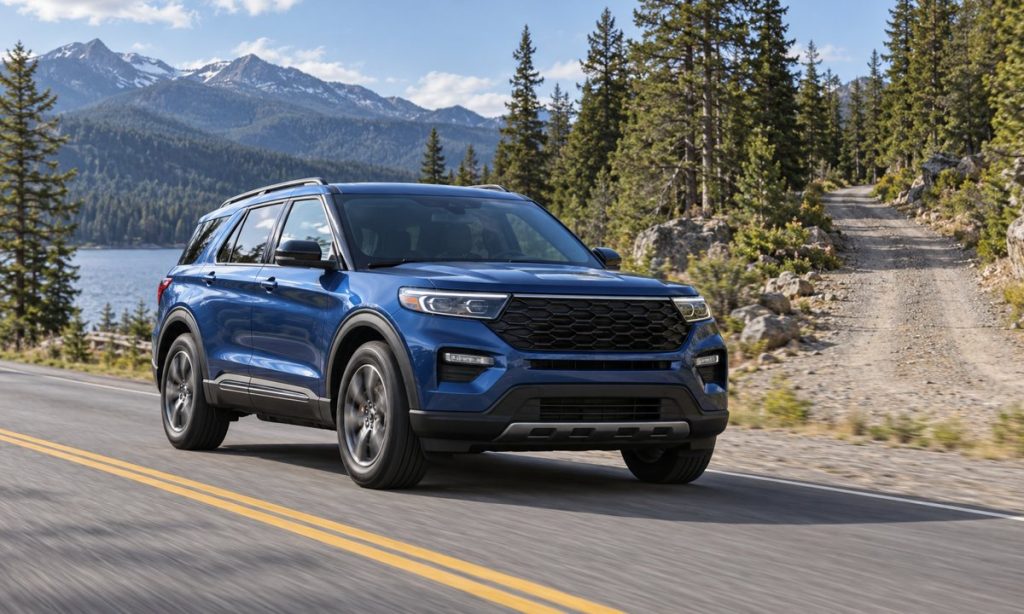
For a Ford Explorer XLT used mainly on paved roads, highway tires generally suit commuting, family trips, and wet-road driving, while all-terrain tires make more sense when gravel, dirt, or rough access roads are a regular part of the route. The trade-off is not simply “comfort versus capability”: tread design, size, load rating, winter marking, noise, and the exact tire model all matter. Check the driver-door tire label and the 2016 Explorer owner’s manual before changing size or load capacity. If you are also reviewing tires for a 2016 Ford Explorer XLT, use that vehicle-specific guide alongside your real driving conditions and current tire specifications.
What highway and all-terrain categories mean
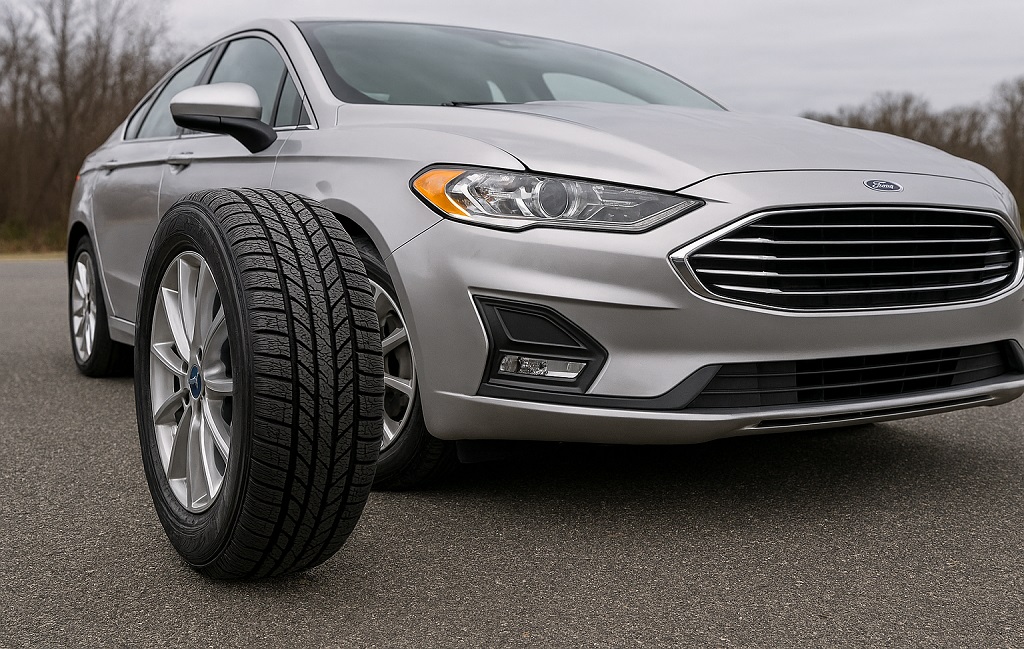
Highway-terrain tires are designed primarily for paved roads. Their tread is usually more continuous across the contact area than a rugged all-terrain pattern, which can support predictable road manners and a quieter feel, depending on the model. They are a common fit for an Explorer that spends nearly all its time on city streets and highways.
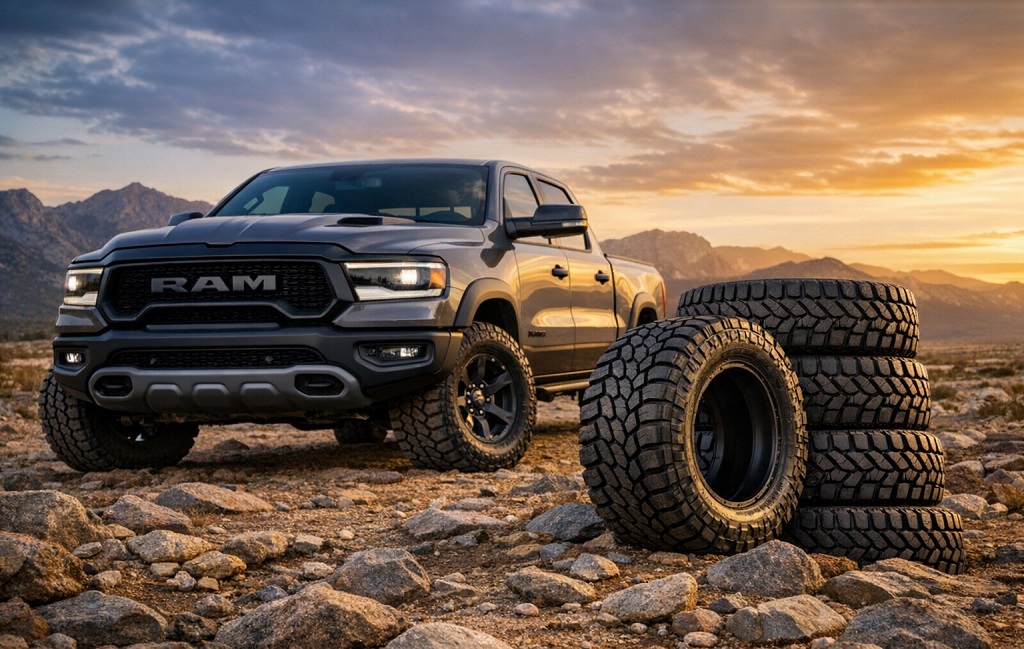
All-terrain tires use more open tread blocks and voids to provide additional bite on loose gravel, packed dirt, and some rougher surfaces. The label covers a wide range: some designs emphasize quiet pavement use, while others favor tougher off-road service. The category alone does not establish wet braking, snow capability, tread life, or noise. Compare the specifications and independent test results for the exact tire model and size.
Daily-driving trade-offs
- Pavement comfort and sound: Highway designs often produce less tread hum on smooth roads. An all-terrain pattern may be more audible, especially as it wears, though construction and tread design vary widely.
- Loose-surface traction: All-terrain tread can be useful on gravel drives, maintained dirt roads, and occasional rough access. It does not turn an Explorer into an off-road truck or make every trail suitable for the vehicle.
- Wet and dry behavior: Both categories include different compounds and tread layouts. Read wet-braking and handling test results for the specific tire; do not infer wet safety from appearance or category name.
- Efficiency and wear: Changes in tire mass, rolling resistance, tread, pressure, and driving style may affect fuel use and wear. Do not assume that every all-terrain tire has the same penalty or that a highway tire will last a fixed number of miles.
- Winter use: Look for the tire’s actual winter markings and test information if snow and ice are part of your driving. All-terrain does not automatically mean winter-rated, and a highway tire may also vary in cold-weather ability.
Treat these as tendencies to compare, not guaranteed outcomes. Ride quality also depends on wheel diameter, sidewall height, tire pressure, suspension condition, and the pavement itself. A more aggressive-looking tread can be a poor choice if its ratings, size, or actual performance do not suit the Explorer.
Start with the exact Explorer fitment
An Explorer XLT badge does not by itself identify the correct replacement tire. The 2016 model offered different equipment and wheel packages, and the original tire size may vary with the vehicle. Read the tire placard on the driver’s door area and the owner’s manual. Confirm tire size, load index, speed rating, pressure, wheel diameter, and whether the Explorer is front-wheel drive or equipped with four-wheel drive. If wheels or suspension parts have been changed, ask a qualified tire professional to check clearance and load suitability.
Keep the replacement set consistent with the vehicle maker’s requirements. For four-wheel-drive models, follow the manual’s rules for matching tire size and tread condition across all wheels; differences in rolling circumference can affect the driveline. Do not use a larger tire or a different load rating based only on an online fitment comment. The door label and manual are the baseline, and any change should be checked for safe clearance and appropriate service ratings.
Choose for the routes you actually drive
If your routine is mostly commuting, school drop-offs, and highway travel, a highway-oriented tire is usually the simpler match. It prioritizes paved-road use and avoids choosing aggressive tread for a surface you rarely encounter. If you drive unpaved roads every week, visit work sites, or travel on gravel where a road tire struggles, an all-terrain model may fit the use better. Match the tire to the frequent route, not a rare outing or appearance preference alone.
Consider how much time the Explorer is loaded, the climate, road maintenance, and whether you need winter traction. A tire’s load index must remain appropriate for the vehicle and its intended load; do not reduce capacity to gain a softer ride. For snow and ice, a dedicated winter tire may be more appropriate than assuming either highway or all-terrain is enough. If unsure, compare standardized markings and test data for the exact size, and ask a tire professional to explain how the alternatives differ.
A comparison checklist before purchase
- Record the tire size and load and speed ratings from the vehicle label and manual.
- Confirm drivetrain, wheel package, and whether all four tires need to match a specific circumference or tread condition.
- Estimate the share of your driving on pavement, gravel, dirt, snow, and rough access roads.
- Compare exact-model wet braking, road-noise, winter, and tread-life information from reliable testing or manufacturer specifications.
- Check that the tire is approved for the vehicle’s load and fits without rubbing at full steering lock or suspension movement.
- Set pressure to the Ford placard value for normal driving and inspect tread and sidewalls regularly.
NHTSA emphasizes that tread provides traction, especially on wet or icy roads, and that tires worn to 2/32 inch are no longer safe. That minimum is not a performance target; grip can decline before the wear bars are reached. Check all four tires at least monthly and replace a damaged tire when a professional determines it is unsafe.
Compare specific tire specifications
Compare manufacturer data for the exact tire models rather than treating all-terrain or highway labels as performance guarantees. Check approved sizes and ratings, wet and winter markings, tread-life terms, and the tradeoffs described for your route. If noise or ride comfort is decisive, ask a tire professional about the exact size and vehicle setup; anecdotes about another tire or vehicle do not predict your result.
Frequently Asked Questions
Are all-terrain tires a good choice for a 2016 Explorer XLT?
They can suit regular gravel or dirt-road use if the exact tire fits the vehicle and meets its ratings. For mostly paved driving, compare highway-oriented options as well.
Will all-terrain tires make the Explorer louder?
They may, but the result depends on the tread and construction, speed, pavement, pressure, and wear. Look for sound testing on the exact tire model.
Can I install a larger tire than the door label lists?
Do not assume it will fit safely. Check load capacity, wheel compatibility, clearance, speedometer effects, and drivetrain guidance with a qualified tire professional.
Are all-terrain tires better in snow?
Not automatically. Check the tire’s winter certification and test results for the exact model. Snow and ice capability varies within both categories.
Should all four tires on an Explorer 4WD match?
Follow the 2016 owner’s manual for your drivetrain and tire configuration. Differences in size or tread depth may matter to the four-wheel-drive system.
Final Words
For daily driving in a Ford Explorer XLT, highway tires tend to fit pavement-focused use, while all-terrain tires can be worth comparing when unpaved roads are a routine part of the drive. Choose by the exact tire model’s road behavior, winter information, ratings, size, and vehicle fitment. Start with the door label and owner’s manual, then compare how much off-pavement capability you will use against potential noise and comfort changes. For the vehicle-specific topic of tires for the 2016 Ford Explorer XLT, see the related guide and verify every proposed size against your own Explorer.
References
- Ford 2016 Explorer Owner’s Manual — vehicle-specific tire, loading, and maintenance guidance.
- NHTSA Tire Safety — tread, pressure, and tire inspection information.
Pingback: All-Terrain vs. Highway Tires for Ford Ranger