The most useful Ford F-250 accessories are the ones that solve a real work, travel, or family need, fit the exact truck configuration, and preserve its weight and safety limits. An F-250’s cab, bed length, trim, model year, towing setup, and factory options affect compatibility. Start by listing what the truck carries, where it travels, how passengers use it, and what needs protection or easier access. Then compare accessory fitment, installation, load, weather resistance, storage, visibility, and warranty details. Do not assume an accessory is appropriate just because a listing mentions “F-250” or because it fits physically.
For work: prioritize durability and access
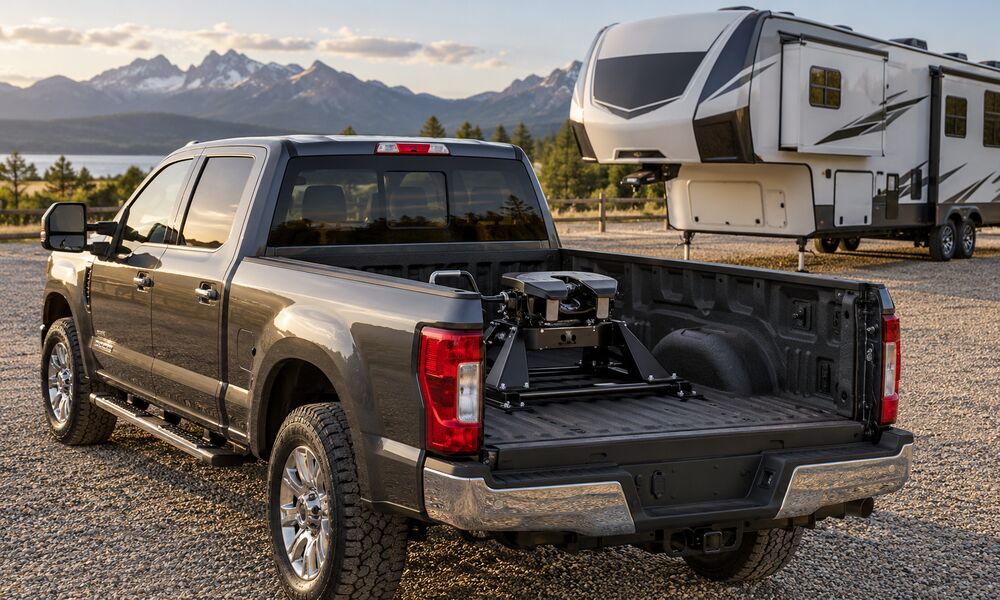
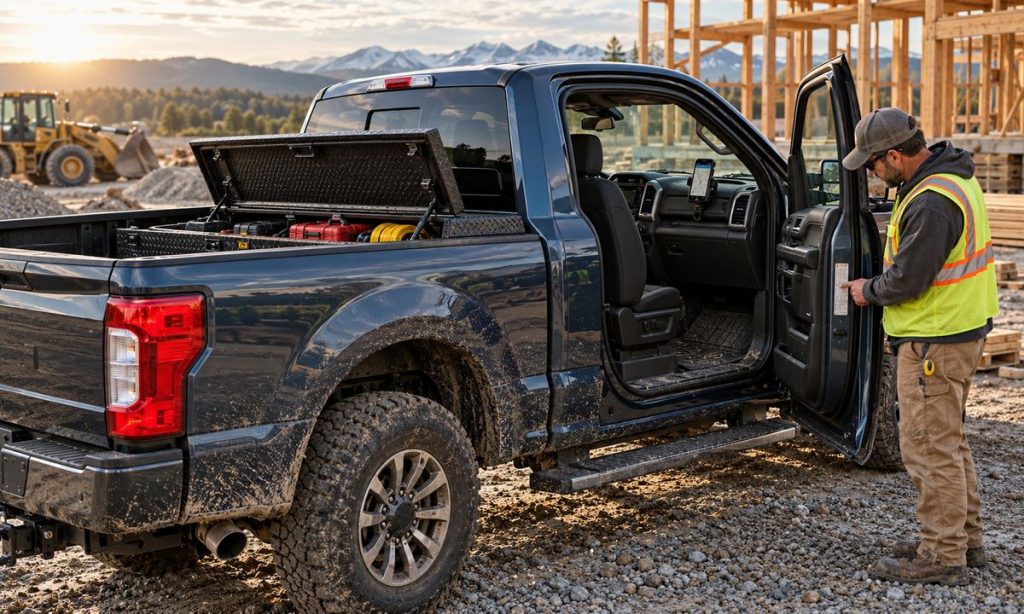
Work use may call for bed storage, cargo organization, step or handle aids, protective liners, floor protection, lighting, or power equipment. Consider whether a feature is weather-resistant, lockable, easy to reach while wearing gloves, and compatible with the bed and tailgate configuration. Measure bulky tools and equipment before choosing a box or divider. Check how the accessory affects tie-down access, trailer wiring, fifth-wheel or gooseneck hardware, camera views, and bed-rail equipment. A secure load and reliable mounting matter more than a long feature list.
For electrical accessories, verify current draw, fuse protection, battery impact, alternator or upfitter requirements, and connection points for the exact truck year. High-current equipment should be installed according to Ford’s and the accessory maker’s instructions. Do not splice into a safety or powertrain circuit. A professional upfitter can help when adding lights, radios, inverters, or equipment that operates while the truck is parked.
For travel: focus on comfort and secure cargo
Long trips may make seat protection, a fitted windshield sun shade, charging storage, all-weather floor liners, or a bed cover more valuable. Choose products that are easy to clean and do not interfere with seat belts, child restraints, side airbags, pedals, mirrors, or driver-assistance sensors. For roof or bed cargo, verify load ratings and secure every item. A tonneau cover can protect cargo from weather and view, but not every cover works with every rack or rail system. Confirm the combined hardware fits the truck bed and leaves the required tie-down points available.
A windshield sun shade is a small travel feature that can help reduce direct sun on the parked cabin when correctly fitted. See the site’s Ford F-250 sun-shade guide for a model-specific example. Confirm coverage around mirrors and sensors and stow the shade securely while driving. For other comfort accessories, check that they do not reduce visibility or block controls.
For family use: check fit and passenger safety
Family-oriented accessories should make the cabin easier to maintain without changing how occupants are restrained. Seat covers must be designed for the exact seat style and must not block side airbags or seat-belt hardware. Floor mats should fit the floor and stay anchored so they cannot slide under pedals. Organizers and cargo barriers should attach at approved points and leave rear-seat belts and child-seat anchors accessible. Keep loose objects secured so they do not become projectiles during sudden braking.
If children ride in the truck, preserve access to lower anchors and top tethers and follow the child-seat manufacturer’s instructions. Do not add thick cushions or accessories under a child restraint unless its maker approves them. Confirm that seatbacks, head restraints, and doors operate fully after installing any interior product.
Account for fitment, weight, and ownership costs
Before purchasing, verify the model year, cab, bed length, trim, drivetrain, and factory packages. Compare the accessory’s dimensions, material, installation time, included hardware, maintenance needs, and removal process. Look for a fitment confirmation from Ford or the accessory maker rather than relying on broad marketplace compatibility. Ask whether installation affects a vehicle or accessory warranty, and keep receipts and instructions.
Accessories add weight and may change remaining payload. Use the truck’s door-jamb tire and loading label and the owner’s manual for vehicle-specific limits. Include the weight of permanently installed equipment, passengers, cargo, and tongue or pin weight as appropriate. Do not treat F-250 trim or advertised maximums as the rating for your particular truck. Added roof equipment can change clearance and handling; a bed accessory can interact with towing hardware. Keep all vehicle, axle, tire, hitch, and trailer ratings in view.
A decision checklist by use
- What problem should the accessory solve: storage, protection, access, comfort, visibility, or power?
- Does it fit the truck’s exact year, cab, bed, trim, and installed equipment?
- Does it preserve payload, axle, tire, towing, and clearance limits?
- Will installation affect airbags, seat belts, cameras, sensors, or wiring?
- Can it be secured, cleaned, maintained, and removed as needed?
- Does the accessory maker provide clear instructions and warranty terms?
The best accessory list differs between a jobsite truck, a long-distance tow vehicle, and a family pickup. Choose a few well-matched items, install them correctly, and reassess the truck’s weight and cargo organization afterward.
Compare total cost and daily convenience
Price the full installation, not just the accessory. A bed rack may need model-specific mounting rails; lighting may need wiring and a switch; storage can require professional installation or additional tie-downs. Ask how the accessory will be cleaned, repaired, replaced, and removed. For a fleet or work truck, downtime and availability of replacement parts can matter as much as purchase price. For family use, consider noise, odor, sharp edges, and whether the item can be removed when the truck is needed for passengers. A short written list of must-have features helps avoid paying for functions the truck will not use.
For another family-comfort accessory on this truck, see the site’s Ford F-250 Super Duty seat-cover guide. Match any cover to the exact seat and airbag configuration before buying.
Frequently Asked Questions
Do F-250 accessories fit every model year?
No. Cab, bed length, trim, generation, factory options, and towing equipment can all change fitment. Verify the exact application before buying.
Can accessories reduce my available payload?
Yes. Installed accessories add weight. Check the vehicle-specific door label and account for passengers and cargo within all applicable limits.
What features matter most for work?
Durability, secure storage, easy access, fit with towing equipment, and a safe electrical installation are common priorities. The right set depends on the job.
Are seat covers safe with side airbags?
Only use covers designed and approved for the exact seat and airbag arrangement. Follow Ford and the cover maker’s instructions.
Should I choose Ford-branded accessories only?
Not necessarily, but any accessory should have verified fitment, clear installation instructions, safety compatibility, and support appropriate to the use.
Final Words
Choose F-250 accessories by the job they need to do, then verify fitment, safety, installation, and weight against the exact truck. Work, travel, and family use may call for different features, but each item should stay secure, preserve passenger protection, and fit within the truck’s ratings.
References
- Ford F-250 Super Duty Accessories (browse categories and verify fitment for the truck configuration).
- Ford: Finding Vehicle Payload Capacity (vehicle-specific label guidance).
- Ford Owner Manuals (select exact model year for loading and safety limits).