Towing changes the loads placed on a Ford Ranger 4×4, but truck ratings, brakes, and shocks do different jobs. Shocks control suspension motion; they do not raise tow, payload, axle, or braking limits. Identify the Ranger’s model year and configuration, calculate loaded trailer and tongue weights, and confirm every limit in Ford’s documentation before choosing a replacement shock. Our guide to replacement shocks for Ford Ranger 4×4 provides application context, not permission to exceed a rating.
Start with the Ranger and trailer ratings
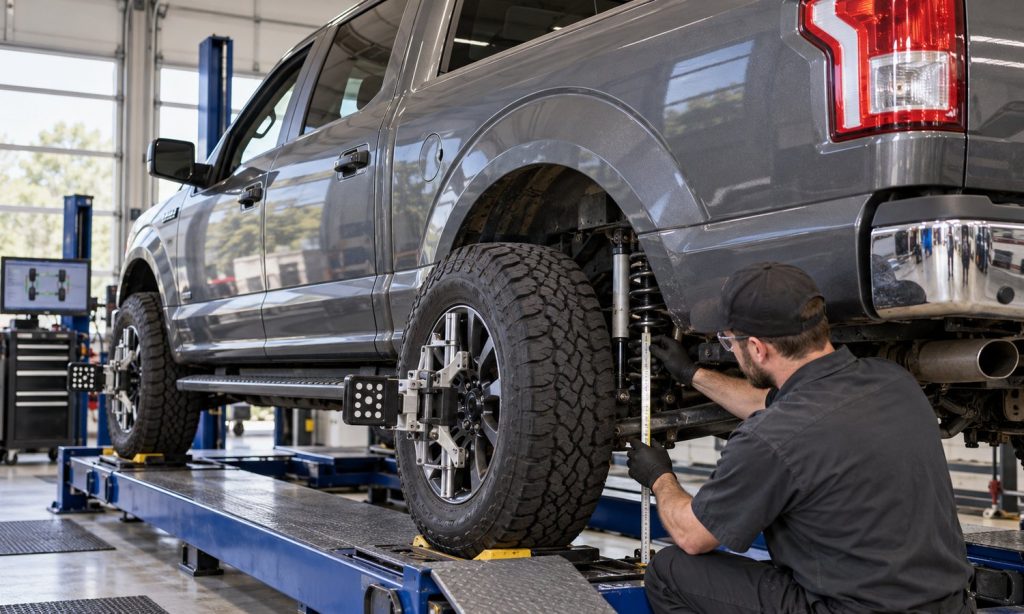
For a useful load check, weigh the Ranger in its normal towing condition with passengers, cargo, fuel, and accessories aboard, then compare the front and rear axle weights with the truck’s ratings. If safe and practical, use a certified scale to weigh the loaded trailer and calculate tongue load using the trailer maker’s method. Include the hitch and installed accessories in the truck’s payload. A shock can reduce bouncing or help control suspension movement when correctly matched, but it cannot remove weight from an axle or increase tire capacity. If the weights approach a limit or the truck sags, stop and have the setup reviewed before towing again.
Ford Ranger tow and payload limits vary by model year, engine, cab, drivetrain, axle ratio, package, hitch, and equipment. Look up the exact truck in its owner’s manual and Ford towing information. Compare the loaded trailer with the truck’s maximum trailer rating, then account for passengers, cargo, accessories, and tongue weight against GVWR and rear GAWR. The trailer and truck combination also has a GCWR limit. The advertised maximum in one configuration is not a rating for every Ranger.
Tongue weight presses down on the hitch and contributes to the weight carried by the truck. Its exact effect depends on the trailer, hitch, loading, and vehicle. Have the loaded truck and trailer weighed if you are close to any limit. Confirm the hitch and receiver ratings, and make sure trailer brakes and wiring meet the requirements for your equipment and location. A shock change is not a way to compensate for overloading or incorrect trailer balance.
What shocks do when you tow
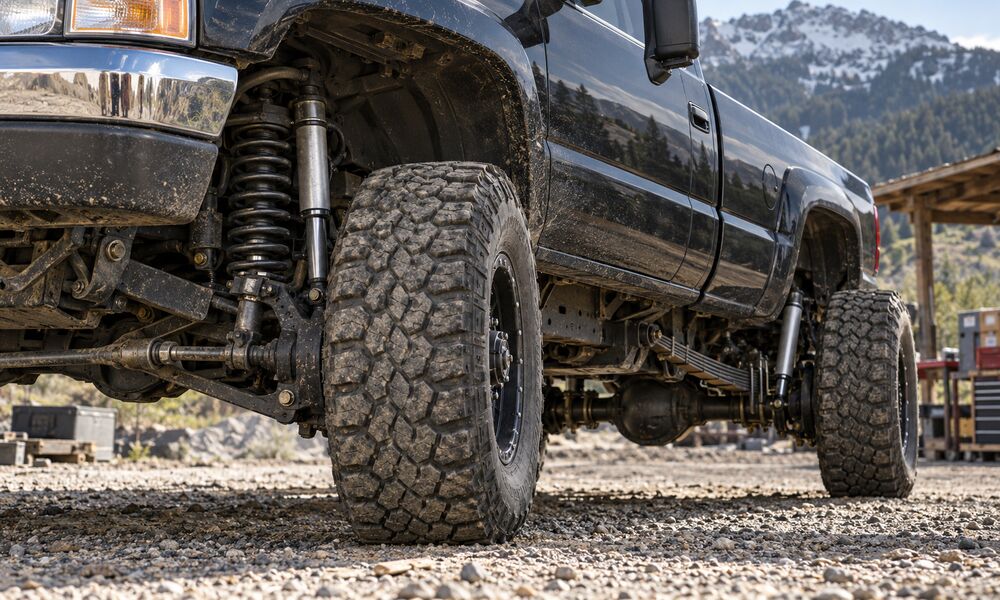
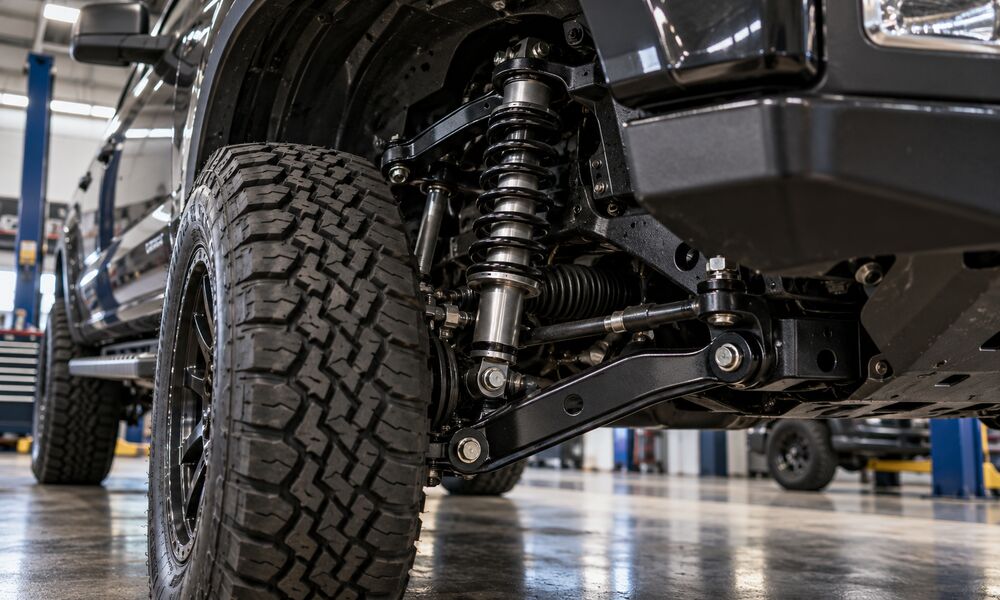
Shock absorbers damp suspension movement as the truck’s springs compress and rebound. With a trailer, added load and road inputs can make the rear suspension move more. Worn, leaking, damaged, or incorrectly matched shocks may contribute to excessive bouncing or poor control over bumps. Correctly fitted replacement shocks can restore intended damping or suit an approved suspension configuration. They do not hold up a load by themselves, increase spring capacity, shorten stopping distance, or prevent sway in every condition.
If the truck sits low at the rear, first determine whether it is overloaded, whether the load is distributed correctly, or whether a spring or other suspension component needs inspection. A shock can control motion, but ride height and load support are separate questions. Do not choose a shock advertised as “heavy duty” as a substitute for the right spring, hitch, or load rating.
Ranger-owner forums often discuss bounce, rear sag, and whether replacement shocks improve towing feel. Those reports describe particular trucks, trailers, and modifications; they are anecdotal, not controlled tests or vehicle-specific service instructions. A common distinction in these discussions is useful: drivers may feel less bouncing after a shock change, while persistent static sag needs a separate load and suspension assessment. Do not treat forum advice as approval for a particular part or pressure setting.
What towing changes for the brakes
A trailer adds mass that the full combination must manage when slowing and stopping. The Ranger’s braking system is rated for the vehicle’s specified limits; shocks do not add brake capacity. Use the correct trailer brake equipment and controller where required, check that it works, and follow Ford’s towing instructions. If braking feels weak, the truck pulls, warning lights appear, or a component is damaged, have the system inspected by a qualified technician before towing again.
Match replacement shocks to the actual setup
A 4×4 badge alone is not enough to identify a shock. Check model year, cab, trim, axle, factory suspension package, and whether the truck is stock, lifted, leveled, lowered, or carrying additional equipment. Confirm the replacement’s mounting points, compressed and extended length, and compatibility with the installed springs and other suspension parts. If the truck has a lift or different ride height, confirm the shock’s travel and fitment with a specialist. Incorrect length can limit suspension travel or allow a component to top or bottom out.
- Confirm exact vehicle and suspension fitment by year and configuration.
- Identify lift, leveling, spring, wheel, and payload changes before ordering.
- Check that the shock’s travel matches the installed suspension height.
- Inspect springs, bushings, mounts, tires, brakes, and hitch components if wear or damage is suspected.
- Use Ford’s load and towing instructions; do not exceed a rating to test an upgrade.
Check the whole tow setup when handling changes
If the Ranger bounces, wanders, squats, or feels unstable with a trailer, check the complete combination rather than blaming the shocks first. Verify loaded trailer weight, tongue weight, cargo placement, hitch rating, tire pressures, trailer brakes, alignment, suspension condition, and any weight-distribution equipment. Correct the loading or component problem before changing parts. Stop towing and seek professional inspection if the truck or trailer cannot be controlled predictably.
Frequently Asked Questions
Can new shocks increase my Ford Ranger’s towing capacity?
No. Towing and payload limits are set by the vehicle configuration and its ratings. Shocks do not increase GVWR, axle ratings, hitch capacity, or the approved maximum trailer weight.
Will replacement shocks stop rear sag while towing?
Not necessarily. Shocks control suspension movement, while ride height and load support depend on springs, vehicle loading, and other components. Inspect the system before choosing a remedy.
Do shocks help the Ranger stop a trailer faster?
Shocks do not add brake capacity or replace trailer brakes. Maintain the truck and trailer braking systems and follow the applicable towing instructions.
Can I select shocks by “4×4” alone?
No. Confirm the Ranger’s year, trim, suspension package, ride height, and modifications. Four-wheel drive does not uniquely identify shock fitment.
What should I check if the Ranger feels unstable while towing?
Stop safely and check the loaded weights, hitch, trailer balance, tire pressures, brakes, and suspension condition. Have a qualified technician inspect persistent instability or suspected damage.
Final Words
Towing weight increases demands on the Ranger’s brakes, tires, hitch, and suspension, but replacement shocks only address damping and must match the truck’s exact setup. Confirm loaded weights and ratings first, diagnose sag or bounce instead of guessing at a part, and keep the trailer brakes and truck brakes in proper condition. A shock upgrade cannot increase tow capacity or correct an overloaded combination. For additional fitment context, review replacement shocks for Ford Ranger 4×4 and verify the candidate against your owner’s manual and suspension configuration.