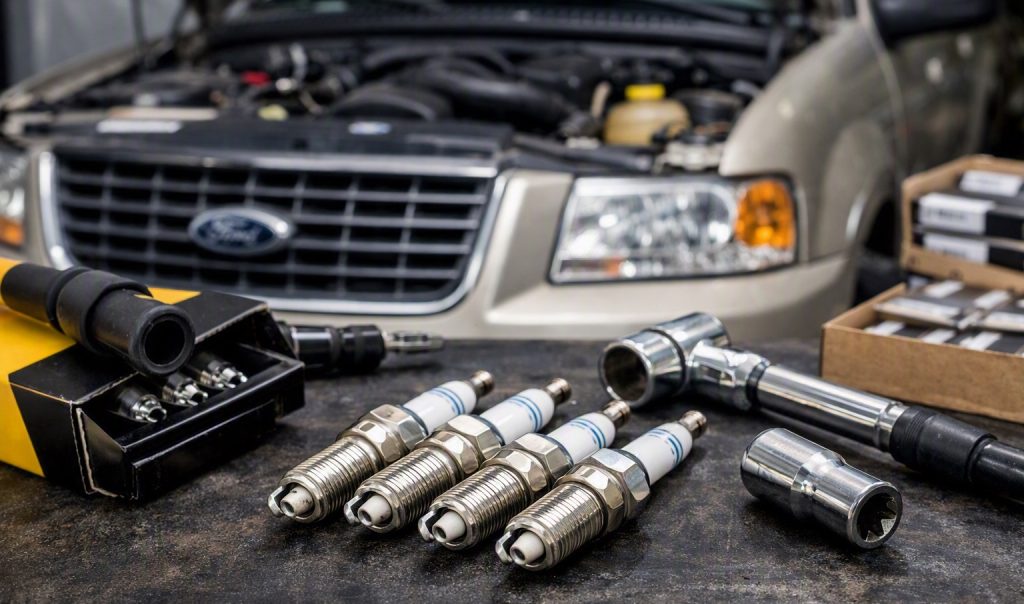

Worn spark plugs or ignition wires can contribute to rough running in a Ford Focus, but the same symptoms can come from a coil, wiring fault, fuel or air problem, low battery voltage, or mechanical issue. Start with the Focus’s exact model year and engine because ignition layouts differ: some use coil-on-plug components rather than traditional spark plug wires. A misfire, hesitation, hard start, or illuminated check-engine light is a reason to diagnose the system, not proof that plugs or wires need replacement. Use codes, inspection, and the vehicle-specific service information to identify the cause.
Symptoms that may involve plugs or ignition leads
- Rough idle or shaking: An intermittent or persistent misfire can make the engine feel uneven, especially at idle. A loose connector, coil fault, vacuum leak, or fuel issue can feel similar.
- Hesitation under acceleration: A weak spark can show up when the engine is under load, but fuel delivery, air metering, or transmission behavior may also be involved.
- Hard starting or stalling: Worn plugs may contribute, while battery condition, charging, sensor, fuel, or control-system problems are other possibilities.
- Reduced fuel economy or power: These changes can accompany an ignition misfire, though driving conditions and unrelated engine faults can produce them too.
- Check-engine light or misfire code: A diagnostic trouble code helps narrow the affected system or cylinder, but it does not by itself prove the plug or wire is faulty.
If the check-engine light is flashing, the engine runs very roughly, or power drops suddenly, reduce load and arrange prompt diagnosis. Follow the Focus owner’s manual for the warning and operating condition. Avoid continued driving with a severe misfire because it can cause further damage.
First check whether the Focus uses plug wires
Look up the year, engine, and ignition system in the Ford owner’s manual or service information. A coil-on-plug system places an individual coil at each spark plug and does not use a conventional long spark plug wire set. Other Focus engines or years may use a different arrangement. Do not buy “ignition wires” until the vehicle catalog confirms that the car actually has them.
For a 2013 Focus, identify the exact engine and use the correct parts listing; many versions use coil-on-plug ignition, so the secondary phrase “oil filter for 2013 Ford Focus” describes a separate service part, not an ignition component. An oil filter does not normally explain a spark-related misfire. If a plug is oil-fouled, have the cause of oil entering the combustion chamber investigated instead of treating the oil filter as the fix.
For a related diagnostic approach, see what to check before changing ignition parts on a Ford Fusion. Its checks are general; the Focus wiring diagram and service procedure still determine what applies to your car.
How to check plugs and ignition components
Record the trouble codes and freeze-frame information before clearing anything. Note when the symptom occurs and whether it is limited to one cylinder. A technician may inspect the plug, coil, connector, wiring, and related air or fuel systems and use a manufacturer-approved test to confirm the fault. Avoid swapping components randomly; it can hide evidence and may not be safe or appropriate for the system.
When plugs are removed, compare them by cylinder and look for cracked porcelain, damaged electrodes, heavy deposits, oil, or a gap outside the specification. Plug appearance can offer clues but cannot confirm a full engine diagnosis. Use the exact Ford plug application and gap information for the year and engine, and follow the service procedure for removal and installation. If the plug is seized, broken, or turns abnormally, stop and seek qualified help.
If the vehicle has high-voltage wires, inspect the insulation and boots for cracks, burns, oil contamination, loose connections, or evidence of arcing. Verify that each lead is routed and connected according to the firing-order diagram. Never pull a wire by its cable or touch ignition components while the engine is running. If the Focus has coil-on-plug ignition, inspect the coil boots and connectors using the appropriate method instead of assuming a wire set is present.
Ford’s OBD-II diagnostic information describes misfire monitoring and coil-on-plug testing for specific systems. The code points toward where to test; it is not a parts-replacement instruction. For context on service choices, review Ford Focus maintenance under dusty or demanding use and the engine versus cabin air-filter explanation; air and ignition are separate systems, but both can affect drivability or maintenance planning.
When replacement is appropriate
Replace plugs or wires when the exact part fails inspection or testing, reaches the vehicle’s specified maintenance interval, or is otherwise identified by the service procedure. Choose parts by VIN, engine, and model year; do not rely on a general “Ford Focus” listing. Confirm plug type, gap, connector, boot, wire length, and routing requirements before starting the work.
After replacement, reconnect coils and harnesses, route wires clear of heat and moving parts, and verify that the engine starts and runs normally. If a misfire code returns, the symptom persists, or the warning light flashes, continue diagnosis. A replacement plug or wire cannot correct a faulty injector, poor compression, damaged wiring, intake leak, or control-system issue.
Other Ford ignition articles can help explain how application varies. Compare the Ford 302 spark-plug-wire overview, the Ford 460 wire guide, the Ford 5.4 Triton plug overview, and the 2010 F-150 5.4L plug guide only as examples; none of those part numbers should be transferred to a Focus. For the 2013 engine-oil service question, see the separate 2013 Ford Focus oil-filter overview and confirm its fitment through the engine-specific catalog.
Frequently asked questions
Can worn spark plugs cause a Ford Focus to shake at idle?
They can contribute to a misfire and rough idle, but a coil, connector, air leak, fuel issue, or engine fault can cause similar symptoms. Check diagnostic data and test the affected system.
Does every Ford Focus have spark plug wires?
No. Ignition design depends on year and engine. Some use coil-on-plug components instead of conventional plug wires. Verify the exact application before ordering.
Does a misfire code mean I should replace the spark plug?
No. The code identifies a condition or cylinder for diagnosis. Inspect and test the plug, coil, wiring, fuel, and related systems before replacing parts.
Can a dirty oil filter cause ignition-wire symptoms?
An oil filter is part of engine lubrication and is not a direct fix for an ignition fault. Oil on a plug may point to a separate engine issue that needs diagnosis.
Should I keep driving with a flashing check-engine light?
Follow the owner’s manual and arrange prompt inspection. A flashing light or severe rough running can indicate an active fault that should not be ignored.
Final Words
Symptoms such as rough idle, hesitation, hard starting, or a misfire can point to spark plugs or ignition components on a Ford Focus, but none identifies the failed part by itself. Confirm whether the exact year and engine use plug wires or coil-on-plug ignition, then use diagnostic codes, inspection, and Ford specifications to decide what needs service. Treat the 2013 Focus oil filter as a separate fitment question, and get a severe or flashing-light condition checked promptly.