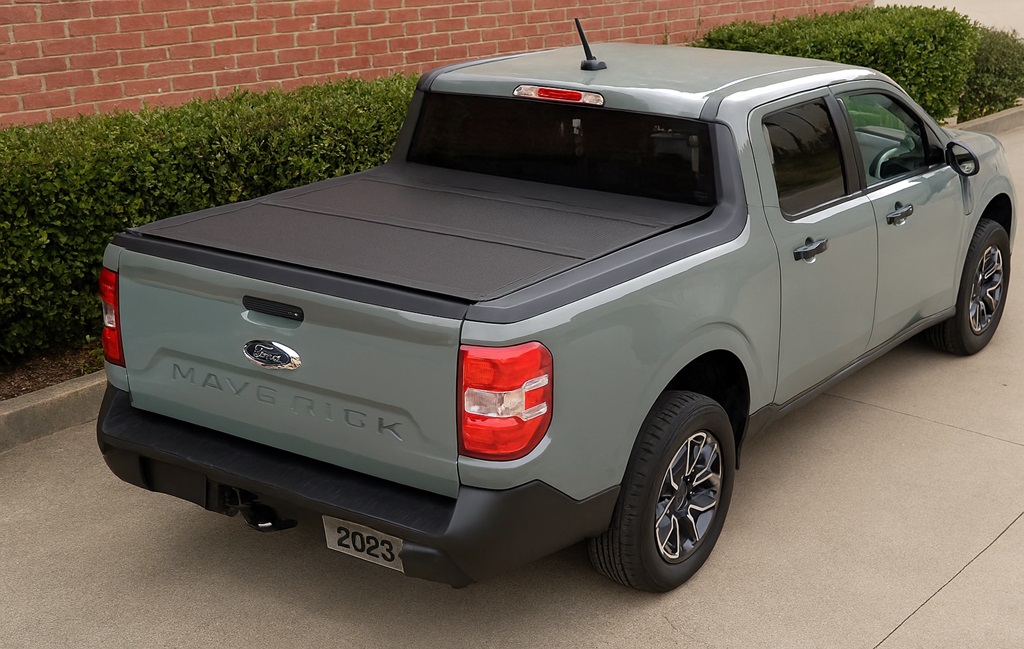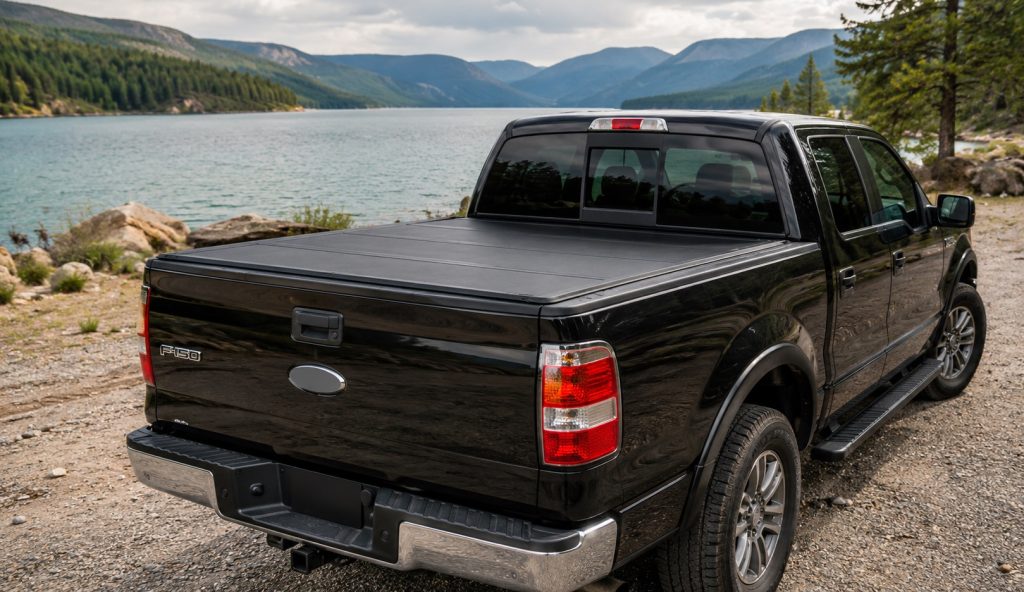
Before adding a bed or roof accessory to a Ford Ranger, verify the truck’s model year, cab, bed length, roof or rail configuration, and load limits. The fitment of a tonneau cover, bed rack, crossbar, or roof carrier can change with cab style, bedliner, rail caps, tie-down hardware, and factory equipment. Confirm the exact application in Ford’s owner information and the accessory maker’s installation guide. Then check how the accessory affects cargo security, clearance, visibility, and the weight the truck can safely carry.
Match the accessory to the Ranger configuration
Record the model year, cab style, bed length, trim, and any modifications to the bed or roof. Use the VIN when a fitment catalog requests it. A tonneau cover for a 2019 Ford Ranger is not automatically compatible with every bed setup or a different model year. Check whether the cover is designed for a bare rail, rail cap, factory tie-down track, spray-in or drop-in liner, or an existing rack system. Confirm the mounting locations and whether another accessory must be removed first.
For roof equipment, verify the Ranger has the correct mounting points and that the rack is designed for that cab and roof. Check clearance to the antenna, sunroof if equipped, cab doors, tailgate, bed rack, and any rooftop load. Avoid drilling or clamping to trim unless the vehicle and rack instructions expressly allow it. The manual directs owners to follow the roof-rack maker’s fitting instructions; exact limits depend on the truck and configuration.
Calculate the real load
Count the rack or cover, mounting hardware, accessories, cargo, and anything carried inside the truck. Added accessory weight uses part of the vehicle’s available payload. Follow the Ranger’s gross vehicle and axle limits and the accessory maker’s maximum rating. For roof loads, check the vehicle-specific roof-carrier limit and the rack’s own dynamic rating; do not assume a rack’s parked or static rating is safe for driving.
Keep heavy cargo low and distribute weight evenly. Secure loads to the designated retaining points and stay within their rated capacity. Ford’s 2019 Ranger manual warns against exceeding the tie-down fixture rating and notes that roof loading can change vehicle handling. A higher center of gravity may affect cornering and stopping, so adjust speed and driving accordingly. Never use cargo tie-downs for towing unless the vehicle maker explicitly identifies them for that purpose.
If you plan to combine a bed cover with a ladder rack, bed rack, crossbars, toolbox, or bed extender, confirm that each part is designed to work with the others. Shared clamps can compete for the same rail space, and the combination may keep a cover from opening or sealing as intended. The total load still must remain within the Ranger’s vehicle limits even when each individual component is below its own rating. If cargo extends beyond the truck, check the applicable visibility and securement rules before travel.
Check clearances, sealing, and operation
- Tailgate and bed access: Open and close the tailgate fully; verify the cover, rack, or drawer does not bind or block release handles.
- Lamps and camera: Keep tail lamps, third brake light, rear camera, sensors, license plate, and mirrors visible and functional.
- Water management: Inspect how the accessory seals against the bed and where it directs water. Do not block factory drain paths or assume a cover makes the bed waterproof.
- Roof clearance: Check the total vehicle height with the rack and cargo fitted, including garage entries, branches, and drive-through structures.
- Fasteners and contact points: Use the specified hardware and torque. Check that clamps do not damage paint, crush a bed rail, or interfere with wiring.
- Other mounted equipment: Confirm that a rack, toolbox, cover, or bed extender can coexist and that each part’s instructions permit the combined setup.
After installation, test the accessory while stationary. Secure the cargo and perform a short, cautious drive; listen for movement, wind noise, or contact with the cab. Recheck fasteners, seals, and cargo straps after the first trip and as the accessory instructions require. Stop using it if it shifts, blocks a lamp or camera, or changes control of the vehicle.
Keep bed and roof checks separate from cabin accessories
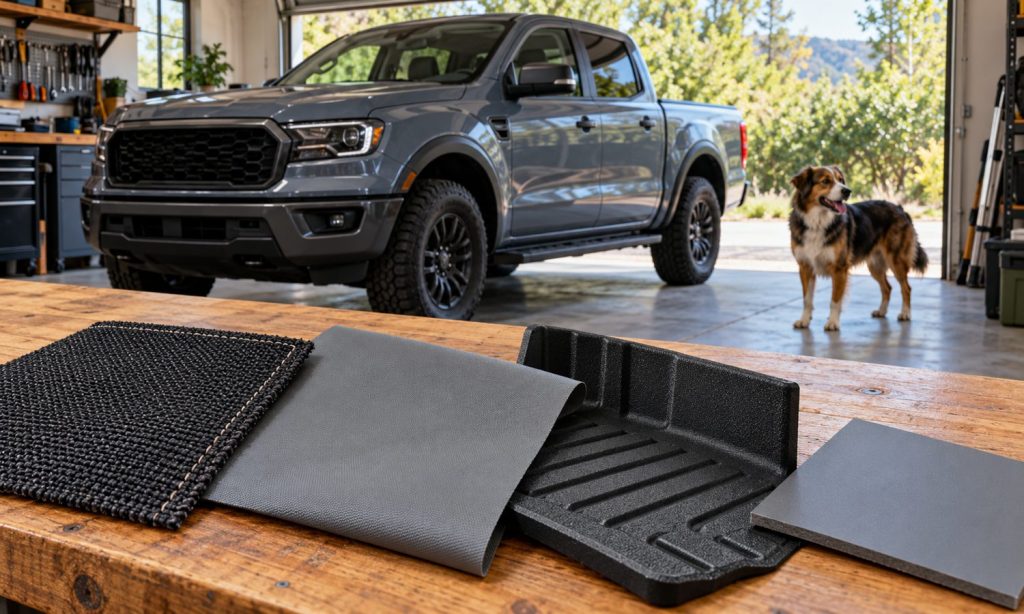
Seat covers for Ford Ranger are a separate interior fitment question. Confirm seat style, headrests, controls, and side-airbag compatibility instead of treating them as part of a bed or roof installation. Our Ford Ranger seat-cover overview covers that interior category. For related accessory materials and daily-use considerations, see the Ranger accessory-material guide.
For cover fitment background, compare the 2019 Ranger tonneau-cover overview with the 2020 model-year guide. Their product applications are year-specific. For measuring a different Ranger accessory area, see the Ranger interior-accessory measurement article. General installation checks are covered in the Transit Connect accessory fitment guide; apply the instructions for the Ranger when the vehicles differ.
For additional context on accessory materials and use, see the Ford Escape materials guide and the F-250 work, travel, and family accessory guide. These are different vehicles and do not establish Ranger fitment.
Frequently asked questions
Can any 2019 Ranger tonneau cover fit every bed?
No. Verify the cab, bed length, rail or liner setup, tie-down track, and mounting style against the cover’s exact application notes.
Does a roof rack’s maximum rating include cargo?
Check both the rack rating and Ford’s vehicle-specific limit. The combined rack, hardware, and cargo weight matters, and a driving rating may differ from a stationary rating.
Can I use Ranger tie-down points to tow an accessory trailer?
No, unless Ford explicitly rates the specific fixture for towing. Tie-down fixtures are for retaining cargo within their stated load limits.
Will a tonneau cover keep all water out?
Do not assume so. Seal and drainage designs vary, and covers may reduce exposure without making the bed fully waterproof. Follow the cover maker’s care and installation instructions.
What should I do if a rack shifts or rattles?
Stop and inspect the installation, hardware, and load. Do not continue driving with a loose accessory; correct the fit or have it checked by a qualified installer.
Final Words
Before adding a bed or roof accessory to a Ford Ranger, match the part to the exact cab, bed, rail, and roof setup, then account for the accessory’s weight and cargo. Follow Ford and accessory-maker limits, preserve camera and lamp visibility, and test the installation before regular use. Keep seat covers and other cabin accessories on their own fitment path, and stop if any mounted part shifts, binds, or blocks a vehicle system.