
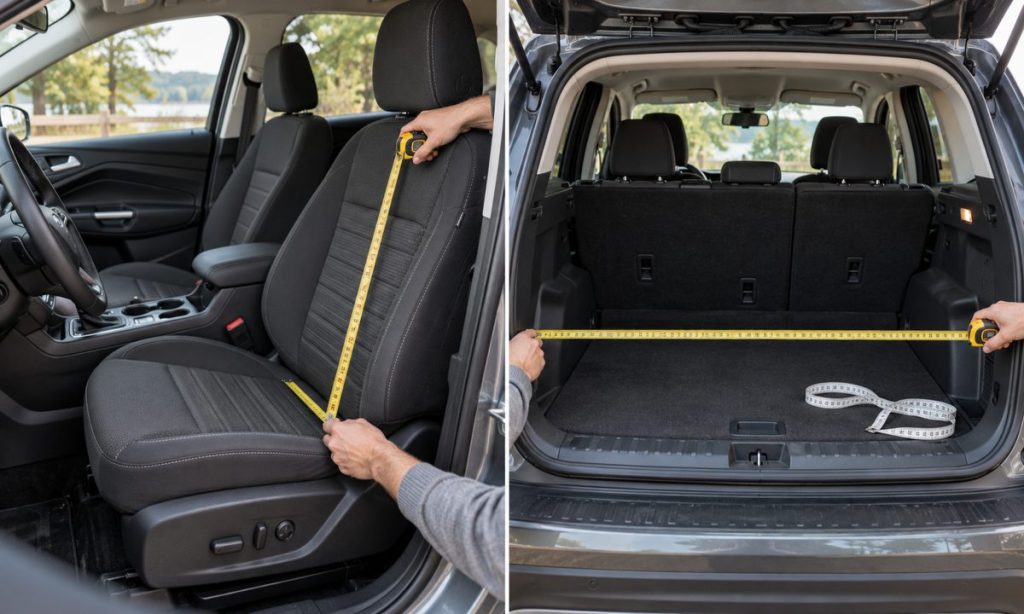
Before ordering a custom-fit accessory for a 2018 Ford Escape, identify the exact seat and cargo configuration, then measure the areas the product will actually cover. “Fits Ford Escape” can describe several generations, trims, seat layouts, and equipment packages. A model-specific listing is a useful starting point, but your measurements and the seller’s year-by-year fitment chart should confirm the match. For a product-specific example, see our guide to seat covers for a 2018 Ford Escape; confirm the cover’s side-airbag compatibility and seat layout before purchase.
Identify the Escape configuration first
Record the model year, trim, body style, seat material, power or manual adjustment, and rear-seat arrangement. Check whether the vehicle has a split-folding rear seat, center armrest, integrated head restraints, seat-back pockets, or unusual trim that an accessory must accommodate. Use the door-jamb label or vehicle paperwork to confirm the year; do not rely on a seller’s broad “Escape 2013–2019” description alone. Similar model years can still use different panel shapes, fasteners, or seat details.
Ford’s 2018 Escape specifications give useful overall reference dimensions and cargo capacities, including 34 cubic feet behind the rear seat and 68 cubic feet behind the front row. Those volume figures describe capacity, not the exact contours of a seat cover, cargo liner, or molded floor mat. Treat them as context only. For an accessory, the actual edges, anchors, cutouts, and fold lines matter.
Use a consistent measuring method
Park on level ground, remove loose objects, and move the seats to a repeatable position. Use a flexible tape for upholstery and a straight tape for cargo openings. Keep the tape snug but do not compress foam or stretch fabric. Record measurements in inches and centimeters, note where each measurement begins and ends, and photograph the area with the tape visible. For curved surfaces, take several short measurements or trace the shape on paper rather than forcing one straight-line number to represent it.
Measure twice, including the maximum width and the narrowest pinch point. Write down whether the seat was upright or folded, and whether an accessory must work with the seat in more than one position. A small measurement sheet prevents a common mistake: sending a seller dimensions without saying which seat or edge they describe.
Measure seat covers without compromising airbags
For each front seat, note the seat-bottom width and depth, backrest width and height, head-restraint shape, and spacing of any separate headrest posts. Record the location of an armrest, adjustment levers, lumbar controls, side bolsters, and pockets. Rear covers may need separate measurements for each split section, center armrest, buckle openings, and head restraints. Check whether the second row folds in one piece or in sections and whether the cover must remain installed while folding.
Airbag compatibility is a safety requirement, not a sizing detail to improvise. The 2018 Escape owner’s manual warns against modifying a seat containing an airbag and directs owners to use seat covers designed for seats with side airbags. Choose covers explicitly listed as compatible with the Escape’s seat-mounted side airbags, and follow Ford and cover-maker installation directions. Do not cover, sew across, pin, or strap over an airbag seam. Measurements cannot prove that a cover will deploy correctly; if the listing is vague, ask the maker to confirm the exact 2018 Escape seat and airbag fit.
Check floor mats and cargo liners
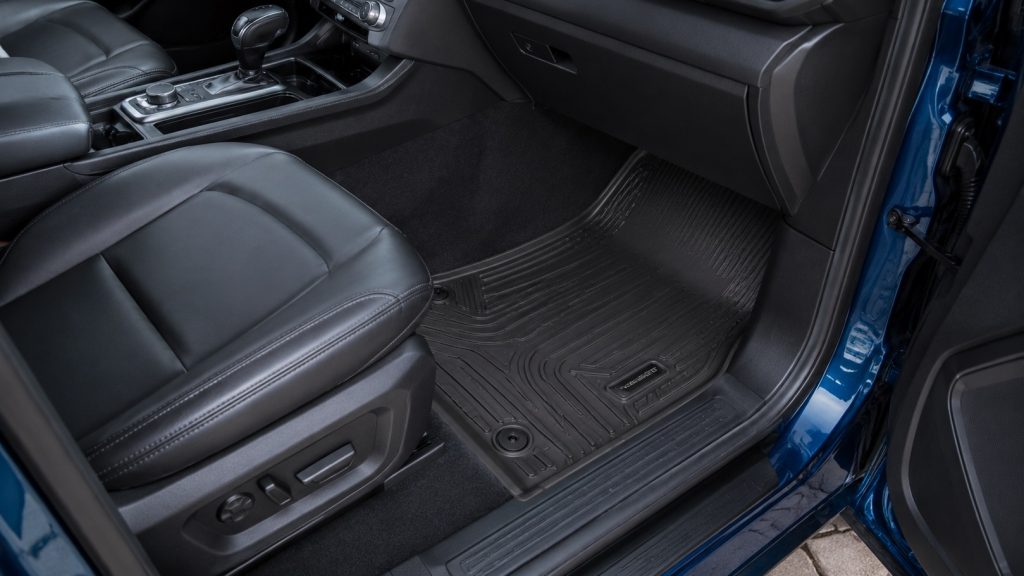
For front floor mats, measure the footwell from the back edge near the seat to the firewall and from the center tunnel to the door-side trim. Note the factory retention posts and confirm that the product uses the correct attachment points. A mat must lie flat and stay secured; it must not slide toward or interfere with the accelerator or brake pedal. Never stack a replacement mat on top of another mat.
Measure the rear floor separately, including the raised center tunnel, seat-rail edges, and any trim that changes the floor outline. For a cargo liner, measure the width at the liftgate opening, width between the wheel-well trim, length from the rear seatback to the threshold, and any change in depth. Repeat with the rear seat upright and folded if the liner is advertised for both. Include the shape around tie-downs, seat hinges, or a spare-tire access panel.
Measure other custom-fit interior accessories
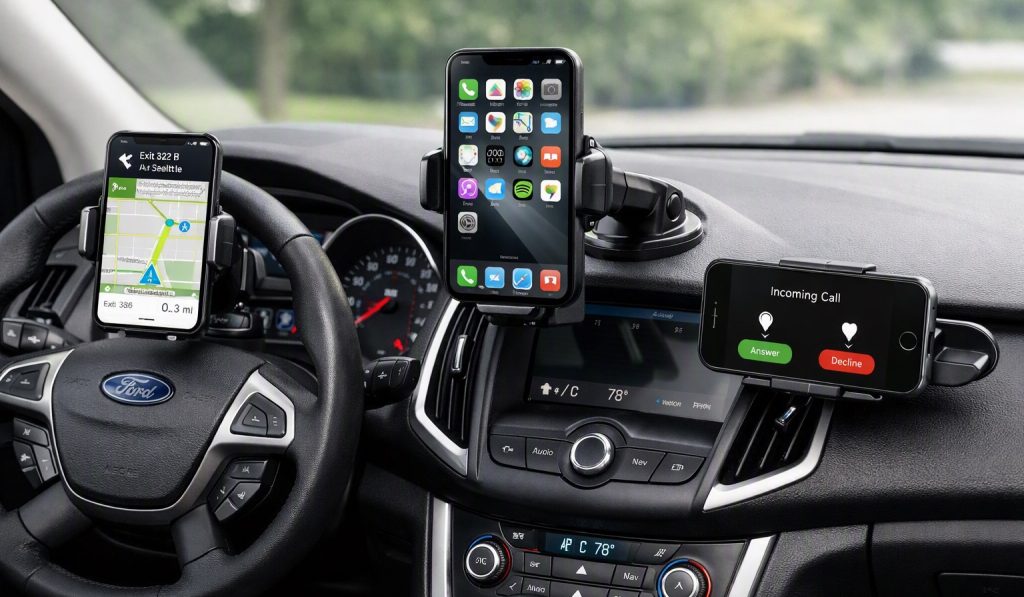
For a cargo cover, sunshade, or dash cover, identify the exact mounting points and the places the accessory must clear. Measure a cargo-cover opening between its supports and note how the cover retracts or attaches. For a windshield shade, measure the visible glass width at the top and bottom and the center height; a single width may not capture the taper. For a dash cover, record vents, sensors, speaker grilles, and passenger-airbag markings. Never cover an airbag deployment seam, sensor, or required vent simply because a generic cover appears to fit.
Compare your measurements with the seller’s fitment diagram and ask whether the product was patterned for the 2018 model. Confirm whether the listing assumes a particular trim, seat option, or interior package. If the seller gives only vehicle volume or a broad exterior dimension, request the product’s fitment details rather than inferring that it matches the interior.
Before you place the order
- Confirm 2018 model year, trim, and seat configuration on the fitment chart.
- Match seat split, head restraints, armrest, and control cutouts.
- For covers, confirm explicit side-airbag compatibility for the front seats.
- Check that mats use the correct retention points and clear the pedals.
- Measure cargo liners in both seat positions if the product claims both fit.
- Review return terms and ask the manufacturer about any unclear measurement.
Frequently Asked Questions
Are all 2018 Ford Escape seat covers the same size?
No. Seat shape, trim, head restraints, armrests, and equipment can change the pattern. Confirm the exact seat layout and year on the manufacturer’s fitment chart.
Can I use the Escape’s cargo-volume number to choose a cargo liner?
No. Cargo volume is not a floor outline. Measure the opening, wheel-well width, floor length, and contours the liner must cover.
How can I tell if a seat cover is safe with side airbags?
Look for explicit manufacturer confirmation that it is designed for the 2018 Escape seat-mounted side airbags. Do not rely on a generic “airbag compatible” claim without model-specific fitment details.
Should I measure a seat while it is upright or folded?
Measure in the position the accessory is designed to cover, and take a second set of measurements if the product must fit both positions. Write down the seat position with each reading.
What if my measurements differ from the product chart?
Recheck where each measurement starts and ends, then send the seller photos and the exact trim and seat configuration. Do not trim or alter a safety-related accessory to force a fit.
Final Words
Use measurements to verify a 2018 Escape accessory listing, not to replace its model-specific fitment confirmation. Seats, mats, cargo liners, and shades each need different reference points. Give special attention to front-seat side airbags, mat retention, and pedal clearance. Our review guide to 2018 Ford Escape seat covers can help you compare options, but confirm airbag compatibility for your exact seats before ordering.
References
- Ford 2018 Escape Technical Specifications (overall dimensions and cargo capacities).
- Ford 2018 Escape Owner’s Manual (seat-mounted side-airbag and seat-cover precautions).
Pingback: Ford Escape Accessory Materials for Pets and Cargo