
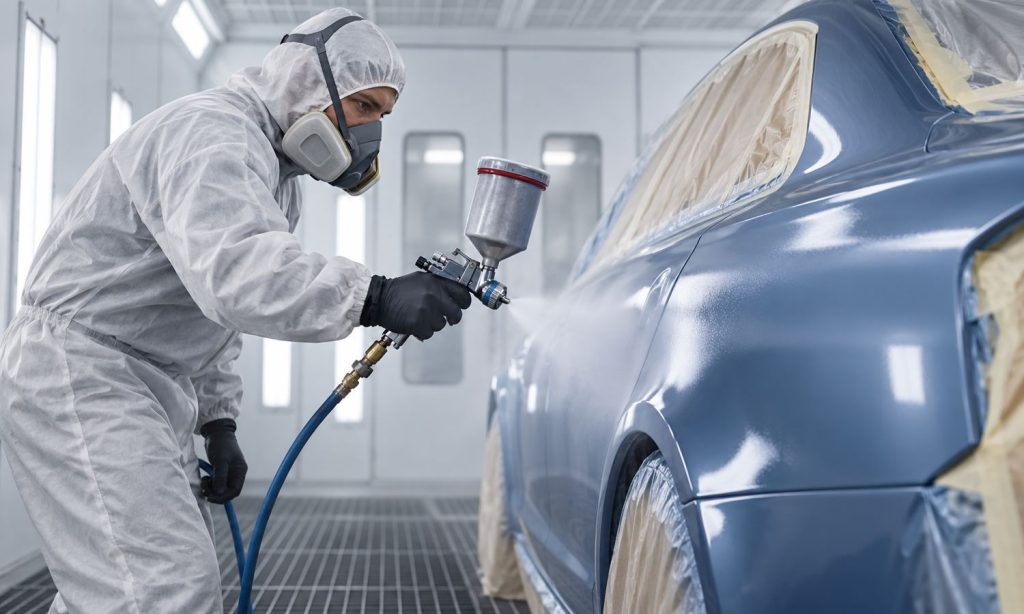
How long does it take to paint a car? There is no single turnaround time: a limited cosmetic repair and a complete repaint involve different amounts of work. A shop may quote a small job in days and a broader repaint or restoration in weeks, but those are planning examples, not guaranteed industry averages. The useful estimate is the calendar window from drop-off to pickup for your written repair scope. Spraying color is only one stage; preparation, repairs, coating intervals, drying, reassembly and inspection also affect the schedule. Ask the refinisher which stages are included, what could delay them and when the finish can return to normal care. This guide explains those decisions so you can compare quotes without confusing a product’s drying time with the time needed to complete the vehicle.
Start with the type of paint job
Before comparing timelines, establish what “paint the car” means in each estimate. Repairing a chip, refinishing a damaged panel, blending neighboring panels and changing the whole vehicle’s color are different jobs. A shorter quote may cover less preparation or a smaller repair area. Ask for the included panels and finish expectations in writing, then compare the same scope rather than choosing by the fastest advertised date.
| Job scope | What can affect the calendar | Question for the shop |
|---|---|---|
| Small chip or localized cosmetic work | Damage depth, corrosion and the agreed finish | Is this touch-up work or a panel refinish? |
| Single-panel refinish | Panel repair, trim removal and blending | Will neighboring panels also need refinishing? |
| Multi-panel collision repair | Parts, hidden damage and repair authorization | Which operations must finish before paint? |
| Complete repaint or color change | Disassembly, broad preparation and concealed surfaces | Which areas and components are included? |
The table identifies scheduling variables, not standard labor times. A shop that has inspected the vehicle and chosen the coating system can give a more useful completion estimate than a universal online day count. Ask whether the proposed start date means disassembly begins immediately or the vehicle first enters a queue.
Where the time goes
Inspection, repair and surface preparation
The repairer first needs to understand the substrate and damage. Dents, corrosion, previous repairs or damaged plastic may add work that is not obvious in a photograph. Parts or trim may need removal to give access and a suitable finish edge. Cleaning, sanding and compatible preparation are separate operations; a quick spray cannot replace them. The shop may revise its plan after disassembly reveals more damage. Ask how you will receive an explanation and approve a changed scope before additional work proceeds.
Color matching and coating stages
A paint code helps identify the intended color, but the repairer still needs to assess the existing finish and the planned blend. Different substrates, previous refinishing and the chosen coating system can change the process. Primer, sealer, basecoat and clearcoat are not interchangeable terms for one quick pass. Where those layers are needed, the technician follows the applicable product instructions and intervals. Do not pressure the shop to skip preparation or shorten a required interval simply to meet a pickup date.
Drying, reassembly and inspection
The coating must reach the condition required for the next operation before the vehicle can be finished. The shop may then reinstall parts and inspect the result. Ask whether your completion estimate includes those final tasks, any required checks and cleanup. A vehicle leaving the spray booth is not necessarily ready for handover. Likewise, a touch-dry surface does not by itself establish that every wash, polish or protective treatment is appropriate.
Drying time is not the whole repair timeline
Coating instructions describe drying or curing under specified conditions. Temperature, airflow, humidity and the particular materials can affect those stages. A drying figure for one clearcoat does not apply to every paint system, and it cannot be added to a generic spray time to predict when your car will be ready. Ask the shop which coating instructions govern the job and which milestones matter: ready for the next coat, ready for handling, ready for delivery and ready for particular care products.
Do not test a fresh finish by pressing it, scratching it or applying a product to see whether it has cured. Obtain written care guidance from the refinisher instead. A short booth cycle may describe one controlled part of the process; it says nothing about time already spent repairing a panel or waiting for a replacement part.
Get a useful calendar estimate
Request a drop-off-to-pickup window and a communication plan. Ask which parts must be available before work starts, whether outside work is involved and when you will hear about a revised estimate. Agree how the shop will contact you if disassembly changes the repair scope. Keep the estimate, authorizations and subsequent updates together. Written records make it easier to understand a delay without assuming that every extra calendar day represents additional painting labor.
- What preparation, panels, blending and trim work are included?
- Which parts or approvals are still outstanding?
- What milestone will trigger the next update?
- What could change the projected pickup window?
- Which final checks and finish-care instructions come with delivery?
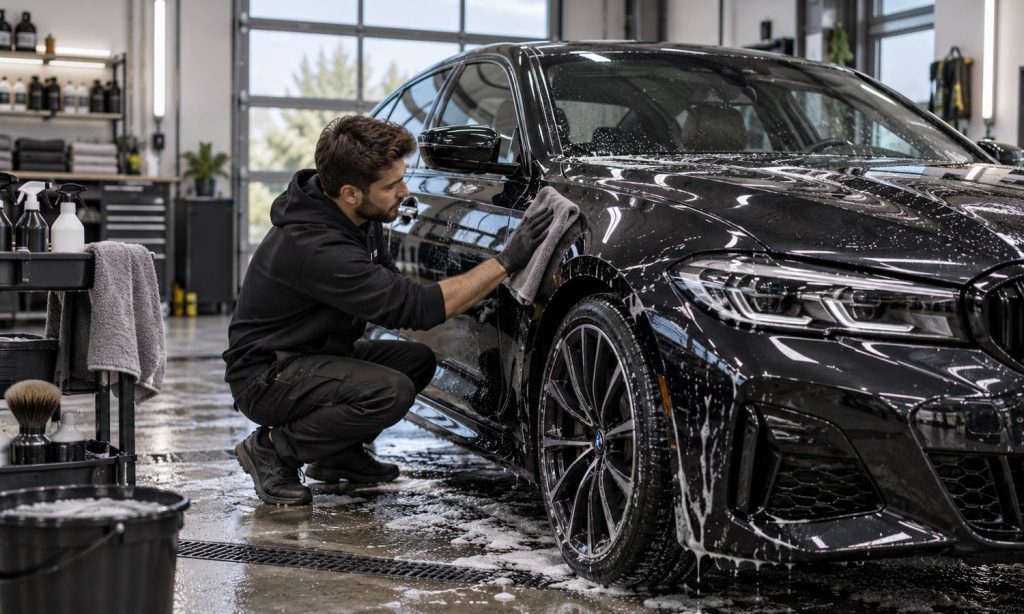
Separate refinishing from other services. If you also requested interior or exterior detailing, ask whether that work is included in the same date. Our car-detailing time guide explains that different service scope. Detailing time is not evidence of how long body preparation or a complete repaint should take.
Why a DIY project needs a different schedule
At-home work can involve extra time for workspace preparation, learning, masking, cleaning and correcting defects. It is not sensible to promise a weekend completion without inspecting the vehicle and understanding the materials. Automotive refinishing also involves chemical and fire hazards. Paints, solvents, sanding dust and some spray-coating ingredients can require specialized exposure controls; an open garage door or an ordinary dust mask should not be assumed to solve those hazards.
Read the product label and safety data sheet before deciding whether the workspace and protection are suitable. Do not improvise a spray setup in an occupied home or near ignition sources. A professional refinisher is the appropriate choice when you cannot establish a suitable process or safely control exposure. This guide does not provide a household spray-booth design, respirator selection or a vehicle-specific repair procedure.
Inspect once at pickup, then follow the care plan
Review the refinished areas with the shop in suitable lighting. Check the agreed panels, the general color and gloss appearance, trim installation and any concerns documented before drop-off. Photograph a concern and discuss it with the repairer instead of trying to polish it yourself. Collect the final invoice, warranty information and written care directions. Confirm when the shop expects normal washing or protective treatments to be appropriate for the specific finish.
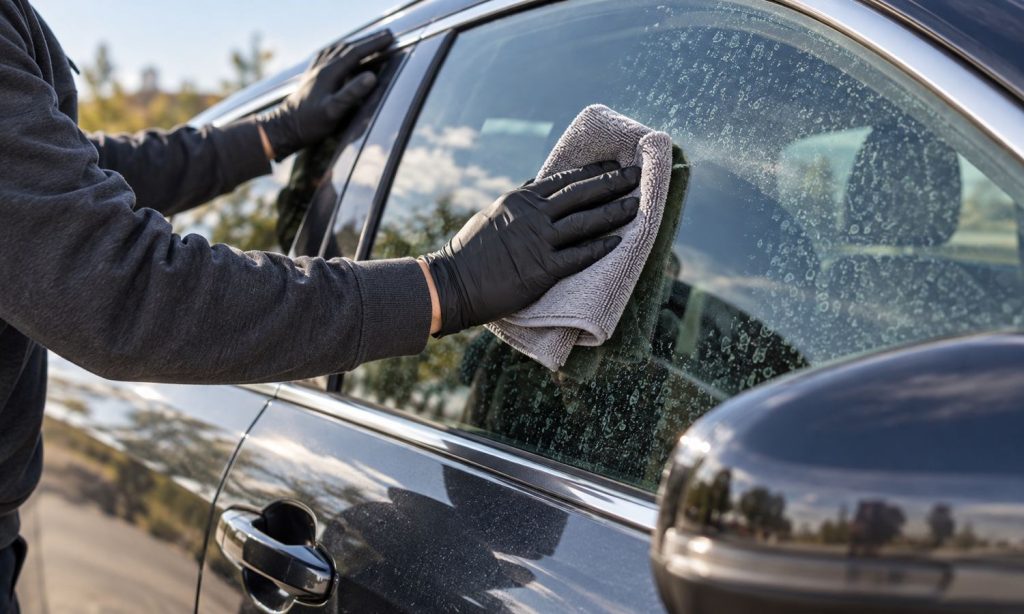
Our guide to cleaning after body repair helps organize that first-wash discussion. If outdoor conditions are cold, the cold-weather car-washing guide covers a separate weather consideration. General wash advice does not override the refinisher’s restrictions on fresh paint. Ask for clarification when an instruction is missing rather than substituting a universal waiting period from another coating system.
Frequently Asked Questions
Use these answers to clarify the repair estimate with the shop responsible for your vehicle.
Can the car be painted in one day?
A limited service might be offered with a short turnaround, but that does not establish the scope of a complete refinish. Ask what preparation, repair, coating stages and final inspection are included. A one-day label alone is not enough to compare the work.
Why does the estimate show labor hours but several calendar days?
Labor hours describe billed operations, while the calendar can also include scheduling, parts, coating intervals and other work. Ask the estimator to distinguish active work from the projected pickup window instead of treating the two numbers as interchangeable.
Can I drive immediately after the paint looks dry?
Appearance alone does not establish readiness. The repairer must determine when the vehicle can be delivered after the required process and checks. Follow the written care restrictions after pickup; do not use touch or appearance as a substitute.
Will a complete color change take the same time as repainting one panel?
The scopes differ. A color change may involve broader disassembly and additional surfaces, depending on the finish agreement. Ask which concealed edges, openings and trim areas are included before comparing timelines or prices.
What should I do if the completion date changes?
Ask which part of the scope or schedule changed, whether further authorization is needed and what the revised pickup range is. Keep the update with the repair record. A shop-specific explanation is more useful than assuming every delay means the paint itself is still drying.
Final Words
How long does it take to paint a car? The useful answer is the shop’s calendar estimate for the inspected vehicle and agreed work. Preparation, repairs, coating requirements, scheduling and final checks all contribute. Compare identical scopes, ask for updates at clear milestones and keep the finish-care instructions. A faster drying product or a shorter advertised service does not establish when your particular repaint is complete.
Pingback: How to Clean a Car After Body Repair: Fresh-Paint Care