How towing and dusty driving change maintenance needs for Ford F150 46 depends on the exact model year, engine, load, route, and environment. Ford’s owner information treats sustained towing and operation in dusty conditions as severe service for many maintenance items, but the required schedule is model-year specific. Use the manual for your truck’s year and engine as the authority; the checks below help you notice when severe use calls for closer attention without inventing a universal interval.
Why towing and dust change the maintenance picture
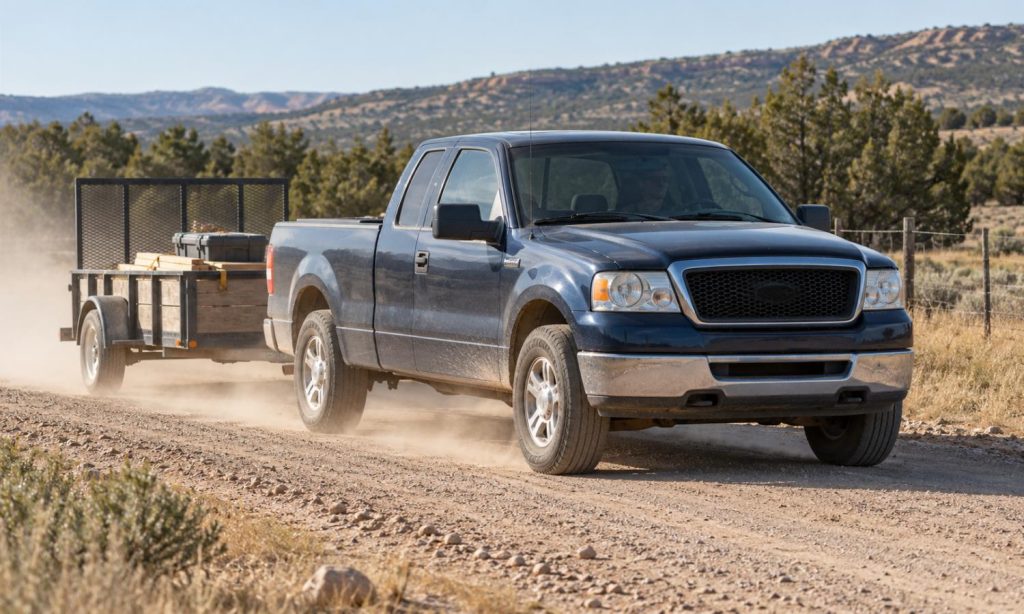
Towing raises engine and transmission workload, especially on grades, in stop-and-go traffic, or in high ambient temperatures. Dust can load the engine air filter faster and may enter the cabin filtration system. Those effects do not mean every F-150 4.6 needs the same extra service. They mean you should identify the severe-service guidance in the correct owner’s manual and keep records of the actual conditions your truck sees.
Start with the vehicle identification label and paperwork to confirm the model year, engine, drivetrain, axle, and towing equipment. Ford has used the 4.6-liter V8 across multiple F-150 generations, and capacities, fluids, service procedures, and schedules can differ. Do not use a schedule for a later F-150 or a different engine just because the displacement appears similar.
Set a baseline before a towing season
Check the maintenance record
Review the owner’s manual maintenance chart and note which tasks apply to frequent trailer use and dusty roads. Check the service record for engine oil and filter, transmission fluid, cooling system, differential, transfer case if equipped, brakes, tires, and spark plugs. Some items are inspection-only unless conditions or the manual indicate service. Do not flush or replace fluids solely because a generic checklist says so; use Ford’s specified fluid and procedure.
If the service history is incomplete, establish a documented baseline. A shop can inspect fluid condition, leaks, hoses, belts, brakes, steering, and suspension, then identify overdue work using the correct service information. This is particularly useful before a long trip or when buying a used truck whose records are missing. Keep receipts and record mileage and operating conditions.
Inspect the engine air filter more often when dust is heavy
A dusty route can load an engine air filter sooner than ordinary paved driving. Follow the manual’s inspection procedure and service guidance; inspect sooner after unusually dusty work if the manual permits. A filter that is packed with debris, damaged, wet, or poorly seated needs attention. Avoid striking or blowing out a disposable filter unless Ford’s procedure explicitly allows it, because aggressive cleaning can damage media or leave dust downstream. Make sure the housing and seals close properly.
A restriction indicator, if fitted, should be reset and interpreted as described by Ford. Do not treat a dirty-looking filter as proof that it is unusable, and do not ignore tears or a distorted seal because the paper looks clean. If the truck is operated on dirt roads regularly, log inspections so the next interval reflects your use. Cabin filters can also collect dust, but their schedule and access procedure are separate from the engine intake.
What towing adds to routine checks
Oil, cooling, and transmission behavior
Towing can increase heat and load, so check oil level and look for leaks before and after demanding trips. Use the viscosity and specification listed for the exact engine and temperature range. Watch the coolant temperature gauge and any warning messages, and stop safely if the truck overheats. Never remove a pressurized cooling-system cap while hot. A recurring temperature rise, coolant loss, or transmission warning needs diagnosis rather than a heavier-duty fluid guess.
Transmission maintenance varies with model year, transmission, and use. Check the owner’s manual for towing-specific fluid inspection or service requirements, and confirm the correct fluid and level-check method. A slipping feel, delayed engagement, unusual odor, or repeated high temperature warning warrants prompt inspection. Avoid relying on a generic “lifetime fluid” claim or a universal change interval without confirming the Ford schedule for your exact vehicle.
Brakes, tires, and hitch equipment
A trailer increases stopping demand. Inspect the truck and trailer brakes, brake controller operation if installed, tire condition and pressure, wheel fasteners, lights, safety chains, and hitch connection before travel. Verify the combined weight and tongue load against the labels and towing limits for your specific truck and equipment. A tire’s sidewall maximum is not the target pressure for every load; use the vehicle and tire-maker guidance. Replace damaged or worn components before towing.
After a dusty or wet trip, remove accumulated dirt from areas where it can hide leaks or damage, and check for new noises, vibration, hot smells, or fluid spots. Inspect the underbody, cooling stack, and brakes without placing yourself beneath an unsupported vehicle. If debris is packed into the radiator or condenser, clean it using a method that will not bend fins or push debris deeper.
Keep engine tune-up decisions specific
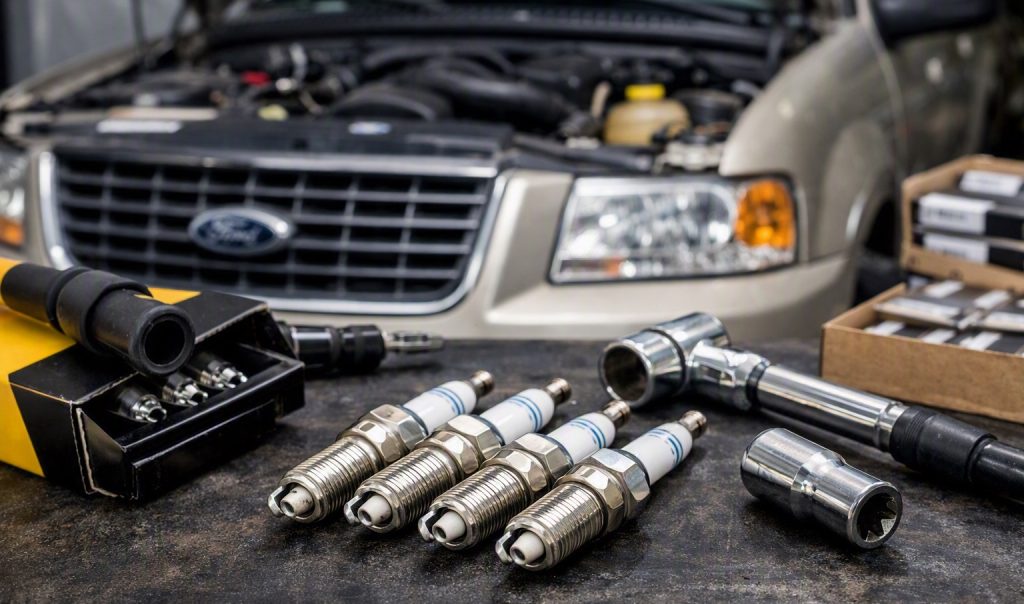
Towing symptoms such as rough running, reduced power, or a misfire should be diagnosed instead of addressed by installing a different plug type. Use the maintenance schedule and the engine-specific specification to choose spark plugs; confirm the part number, gap, and installation procedure against Ford service information. Our guide to spark plugs for Ford F150 4.6 can help frame the fitment questions, but the exact year and engine remain decisive.
The same evidence-first approach applies to tires, suspension, and brakes. Compare towing demands with the truck’s ratings rather than assuming that an aftermarket part increases capacity. Related reading includes our guides to how towing weight affects F-150 brakes and suspension, signs F-150 shocks need inspection, F-150 all-terrain tire considerations, and Ford F-150 4.6 oil viscosity guidance.
Build a practical severe-use log
Record date, odometer, trailer weight range, road type, dust exposure, temperatures, and any warning or symptom. Note every inspection and service item, including filter condition and fluid checks. This log helps distinguish normal wear from a change in behavior and gives a technician useful context. It also prevents a dusty work week or heavy trip from disappearing from memory when the next service decision comes around.
Use the exact Ford owner’s manual and maintenance schedule for your model year. The official 2004 F-150 owner guide is an example of year-specific guidance, not a schedule for every 4.6 truck. Ford’s owner-manual lookup can help locate the appropriate guide. Also see our articles on choosing F-150 spark plugs by engine and driving conditions and F-150 all-season tire tradeoffs.
Frequently Asked Questions
Does every Ford F-150 4.6 have the same severe-service schedule?
No. Model year, engine configuration, transmission, and the manual’s schedule matter. Check the guide for your exact truck.
How often should I replace the air filter on dusty roads?
Use the model-year manual and inspect according to its procedure. Dust exposure can justify closer inspection, but there is no single interval for every truck.
Should I change transmission fluid after towing?
Follow the schedule and towing guidance for your transmission. Confirm the specified fluid and procedure rather than applying a generic interval.
Can towing cause the engine to overheat?
Heavy load, ambient heat, cooling faults, or operating conditions can contribute. Stop safely for an overheat warning and have recurring symptoms diagnosed.
Do dusty roads mean I need different spark plugs?
Not by themselves. Use the engine’s specified plug and diagnose rough running or misfire before replacing ignition parts.
Final Words
Towing and dusty driving change maintenance needs for Ford F150 46 by increasing the importance of model-specific severe-service guidance, filter inspections, cooling and fluid checks, and pre-trip brake and tire reviews. Keep a simple use and service log, confirm every specification against the correct year’s Ford manual, and investigate warning lights or changing behavior promptly. Severe use is a reason to inspect with better context, not to guess at parts or intervals.